 ileegetarmas
Ethereum: Why does it take 15 minutes for my Bitcoin client to start?
Ethereum: Why Does It Take So Long for Your Client to Launch?
As a Bitcoin enthusiast, you’re probably familiar with the frustrations of dealing with slow or unresponsive clients. One issue that has plagued users is the long startup times of Ethereum clients, particularly on Linux distributions like Ubuntu 11.10.
The Problem: Slow Boot Times on Ethereum Clients
In this article, we’ll dive into the reasons why your Bitcoin client might be taking so long to launch on Ethereum. We’ll also explore potential workarounds and troubleshooting steps to help you get your Ethereum client up and running quickly.
Current Bitcoin Client 0.40 on Ubuntu 11.10
Before we dive into the details, let’s take a look at what we know about the current version of the Bitcoin client on Ubuntu 11.10:
- The default Bitcoin client is installed as
bitcoin, which uses the Bitcoin Core daemon.
- The GUI (Graphical User Interface) appears about 15 minutes after booting.
AMD64 Athlon 4600X2 with 6GB RAM: A Powerful Machine
Now, let’s take a look at the specs of your machine:
- AMD64 Athlon 4600X2 (x4)
+ CPU cores: 8
+ Threads per core: 16
+ Cache memory: 256 KB (per core)
+ Total system RAM: 12 GB
With a powerful AMD64 Athlon 4600X2 and 6GB RAM, you are well equipped to handle demanding tasks like cryptocurrency mining or running multiple resource-intensive applications.
Why is the Ethereum client taking so long to start?
Now that we’ve taken a closer look at your machine’s specifications and the Bitcoin client installation, let’s explore some possible reasons why the Ethereum client might take 15 minutes to start:
- Bitcoin Core Daemon Requirements: The Bitcoin Core daemon requires significant resources to run efficiently. As one of the most complex software systems on Linux distributions, it requires a lot of CPU power, memory, and disk I/O bandwidth.
- Hash rate requirements: Running high-traffic Ethereum mining operations can require a considerable amount of computing power (in this case, 6 GB of RAM). The Bitcoin Core daemon needs to handle the computations required to validate transactions and create new blocks.
- GUI display driver performance: On some Linux distributions, especially those with older versions of Ubuntu or other proprietary desktop environments, the GUI display drivers may not be optimized for the demands of Ethereum.
- GPU acceleration: Some users have reported that running various GPU acceleration settings (e.g. NVIDIA GeForce GTX 460) can improve boot times.
Workarounds and troubleshooting steps
To speed up the boot time of your Bitcoin client, try these workarounds:
- Update your Bitcoin client: Make sure you are running the latest version of the Bitcoin client on Ubuntu 11.10.
- Use a different GPU acceleration setting: Try using NVIDIA GeForce GTX 460 or another compatible GPU to see if that improves boot times.
- Adjust GPU Settings: Experiment with different GPU settings (e.g. resolution, frame rate) in your operating system’s graphics drivers.
- Disable GUI Display Drivers: If you’re having trouble with your GUI display drivers, try disabling them and using a separate desktop environment that doesn’t require such robust GPU acceleration.
Conclusion
In this article, we explored the reasons why Ethereum clients can take 15 minutes to boot on your AMD64 Athlon 4600X2 with 6GB RAM. By understanding the complexities involved in running Bitcoin Core daemons and high-traffic mining operations, you can take steps to improve boot times using workarounds like GPU acceleration, tweaking settings, or disabling GUI display drivers.
As a serious cryptocurrency user, it’s essential to be aware of the potential issues that can arise when working with complex systems.
ileegetarmas
Ethereum: What would happen if you send bitcoins to a non-existent Bitcoin address?
The Unintended Consequences of Sending Bitcoins to Non-Existent Addresses
Sending bitcoins to a non-existent Bitcoin address is an act that may seem simple at first, but it poses significant risks and uncertainties. In this article, we will explore what happens if you send bitcoins to such a non-existent address, as well as the likelihood of losing your coins forever.
What Happens When Sending Bitcoins to a Non-Existent Address?
When you attempt to send bitcoins to an address that has not been created yet, several things can occur:
- No Transaction is Created: The transaction to send bitcoins to the non-existent address will not be processed by the blockchain. This means that there will be no visible record of the attempt in the blockchain’s history.
- Coins Are Not Sent
: Since no transaction is being executed, the coins are not sent to the recipient. They remain in your wallet as “unsent” bitcoins.
- Unresolved Issues: If you send a bitcoin to a non-existent address and then try to access it again through an attempt to retrieve the unconfirmed transaction (e.g., by searching for it on the blockchain), you will not be able to recover your coins. This is because the blockchain has already resolved the issue of creating the transaction.
Is Sending Bitcoins to Non-Existent Addresses Risk-Free?
While sending bitcoins to a non-existent address may seem like an easy way out, it’s essential to understand that it comes with significant risks:
- Loss Forever
: As mentioned earlier, if you send a bitcoin to a non-existent address and then try to access it again through an attempt to retrieve the unconfirmed transaction (e.g., by searching for it on the blockchain), your coins are lost forever.
- Security Risks: If the recipient of your bitcoins is malicious or compromised, they may use your unconfirmed transaction to steal your funds.
What Happens Next?
Sending bitcoins to a non-existent address raises several concerns:
- Unresolved Issues: You will not be able to recover your coins, and any attempt to access them will fail.
- Security Risks: If the recipient is malicious or compromised, they may use your unconfirmed transaction to steal your funds.
Conclusion
Sending bitcoins to a non-existent address poses significant risks and uncertainties. While it may seem like an easy way out, it’s crucial to understand the potential consequences of such actions. To avoid losing your coins forever, make sure you have created a strong, secure wallet that can handle unconfirmed transactions.
- Use a Secure Wallet: Invest in a reputable and secure wallet that provides robust protection for your bitcoins.
- Verify Addresses: Always verify addresses before attempting to send bitcoins.
- Be Cautious with Unconfirmed Transactions: Avoid using unconfirmed transactions, as they may be used for malicious purposes.
By understanding the risks associated with sending bitcoins to non-existent addresses and taking necessary precautions, you can minimize your potential losses and ensure a safe and secure bitcoin experience.
ileegetarmas
Ethereum: How hard is it to transfer money between Bitcoin exchanges?
How Hard is it to Transfer Money Between Bitcoin Exchanges Without a Separate Bank Account?
When it comes to transferring cryptocurrency between exchanges, the process can be complex and requires some technical knowledge. One of the most common questions people ask is how easy it is to transfer funds from one exchange to another without going through a separate bank account.
In this article, we’ll break down the steps involved in sending $100 from Mt.Gox to TradeHill using Bitcoin exchanges, and provide an assessment of the difficulties and potential costs associated with this process.
Step-by-Step Instructions
To transfer funds between Mt.Gox and TradeHill without a separate bank account, you’ll need to follow these steps:
- Verify your Mt.Gox account: Make sure you have a verified account on Mt.Gox and are aware of your wallet’s balance.
- Generate a new private key: On the Mt.Gox website, generate a new private key for your TradeHill account using the “Export Private Key” feature.
- Create a new Bitcoin address: Use the generated private key to create a new Bitcoin address on TradeHill that corresponds to the funds you want to transfer.
- Enter the recipient’s wallet address: On Mt.Gox, enter the recipient’s TradeHill wallet address in the “Send” field.
- Select the payment method: Choose the payment method for your transaction, which should be Bitcoin.
- Set the amount
: Enter the amount of Bitcoin you want to transfer ($100).
- Confirm the transaction: Confirm the transaction details and confirm that it will be processed.
Challenges and Considerations

While these steps are relatively straightforward, there are several challenges and considerations associated with transferring funds between Mt.Gox and TradeHill without a separate bank account:
- Network congestion: When multiple transactions occur simultaneously, network congestion can lead to delays or even rejections of the transaction.
- Exchange fees: Exchanges typically charge fees for transactions, which can add up quickly. These fees can range from 2% to 5% of the transaction amount.
- Verification process: To transfer funds between exchanges without a separate bank account, you’ll need to go through the verification process on both Mt.Gox and TradeHill, which may involve providing additional documentation or meeting certain requirements.
Potential Costs
The potential costs associated with transferring funds between Mt.Gox and TradeHill without a separate bank account include:
- Exchange fees: As mentioned earlier, exchange fees can range from 2% to 5% of the transaction amount.
- Network congestion fees: If multiple transactions occur simultaneously, network congestion fees can add up quickly.
Conclusion
Transferring funds between Mt.Gox and TradeHill without a separate bank account requires some technical knowledge and attention to detail. While the process is relatively straightforward, there are several challenges and considerations that must be taken into account, including network congestion fees and exchange verification processes. If you’re unsure about any aspect of this process or need assistance with transferring funds, it’s recommended that you consult with a professional or seek guidance from an experienced cryptocurrency user.
Additional Tips
To minimize the risk associated with transferring funds between Mt.Gox and TradeHill without a separate bank account:
- Use a secure wallet: Use a secure wallet to store your private keys and Bitcoin addresses.
- Monitor transaction fees: Monitor transaction fees on both Mt.Gox and TradeHill to avoid unexpected costs.
- Verify transactions regularly: Verify transactions regularly to ensure that they are successful and not rejections due to network congestion or other issues.
ileegetarmas
Ethereum: Can bitcoins be bought wholesale?
Ethereum: Can Bitcoins Be Bought Wholesale?
In recent years, Bitcoin has become one of the most sought-after digital currencies in the world. With its increasing popularity and widespread adoption, the demand for Bitcoin has skyrocketed, leading to a significant increase in prices. However, not everyone who wants to buy Bitcoins can afford the current market prices. This is where wholesale purchasing comes in handy.
Buying Bitcoins Wholesale: A Growing Option
Wholesale buying of Bitcoins means purchasing large quantities of the cryptocurrency at a lower price than what you would pay through a traditional market exchange. While some may think that this is only possible through direct market access, it’s actually easier than ever to buy Bitcoins wholesale. Here are some options available:
1. Online Marketplaces
There are several online marketplaces where you can find individuals or groups willing to sell Bitcoins at a discounted price. Some popular options include:
- CoinMarketCap: A community-driven exchange that allows users to buy, sell, and trade cryptocurrencies.
- CryptoExchange: An online marketplace where users can buy, sell, and trade Bitcoin, Ethereum, Litecoin, and other cryptocurrencies.
- Bittrex: A reputable cryptocurrency exchange that offers a large selection of coins, including Bitcoins.
2. Peer-to-Peer Marketplaces
Peer-to-peer marketplaces allow you to connect directly with individuals or groups who are selling Bitcoins at a discounted price. These platforms often have built-in escrow systems to ensure secure transactions.
- CryptoSlate
: A peer-to-peer marketplace where users can buy, sell, and trade cryptocurrencies.
- LocalBitcoins: A platform that connects buyers and sellers of Bitcoin and other cryptocurrencies in person.
3. Specialized Wholesale Platforms
Some companies specialize in wholesale buying of Bitcoins, often catering to institutional investors or large enterprises. These platforms offer competitive pricing and reliable execution.
- eToro: A social trading platform that offers a wholesale buying service for institutional clients.
- Gemini: A cryptocurrency exchange that provides a wholesale buying service for high-volume traders.
How to Determine if Buying Bitcoins Wholesale is Right for You
Before purchasing Bitcoins wholesale, it’s essential to determine if this option is right for you. Here are some factors to consider:
- Risk tolerance: If you’re comfortable taking on higher risks and don’t mind the possibility of losing some or all of your investment, buying Bitcoins wholesale might be a good option.
- Time commitment: Wholesale buying requires significant time and effort to research potential buyers, negotiate prices, and execute transactions. Make sure you have enough time to devote to this process.
- Research requirements: Conduct thorough research on the buyer, including their reputation, trading experience, and market analysis.
Conclusion
Buying Bitcoins wholesale can be a viable option for those who want to purchase large quantities of Bitcoin at a lower price than what they would pay through a traditional market exchange. Online marketplaces, peer-to-peer platforms, and specialized wholesale services offer convenient and reliable ways to buy Bitcoins in bulk. However, it’s essential to carefully research potential buyers, understand the risks involved, and ensure that you’re comfortable with the process before making a decision.
ileegetarmas
Metamask: Solidity query works in dev environment but not in production build (nextJS)
Here is an article based on your requirements:
Metamask: Solidity Queries Work in Dev Environment but Not in Production Build
As a Next.js developer, you’re likely familiar with interacting with decentralized applications (dApps) using Web3 APIs. One of the most popular ways to interact with dApps is through the Metamask wallet, which provides seamless integration between your browser and blockchain networks.
In this article, we’ll explore an issue that can arise when using Metamask with Solidity queries in a Next.js production build environment. We’ll also provide troubleshooting steps and insights into why such issues might occur.
Background
Metamask is a popular wallet for Ethereum-based dApps, allowing users to store, send, receive, and manage their assets. It provides an interface to interact with blockchain networks using Web3 APIs, including the Solidity programming language.
To query the token balance of a user in a Solidity function, you would typically use the eth_call method from the Ethers.js library or Metamask’s eth_sendTransaction method. Both methods allow for sending transactions to Ethereum nodes and retrieving data about the transaction status.
Production Build Issue
Unfortunately, when we run our Next.js app in production mode, the Solidity queries performed by Metamask fail to execute correctly. This might seem counterintuitive, as we’ve optimized the code to work seamlessly on the dev environment.
Here’s an example of what happens when we call a function that queries the token balance:
import { ethers } from "ethers";

const contractAddress = "0x..."; // replace with your contract address
const userAddress = "0x..."; // replace with your user address

async function getBalance() {
  try {
    const result = await contractAddress.methods.balanceOf(userAddress).call();
    console.log(result);
  } catch ( error ) {
    console.error(error);
  }
}
In the dev environment, this code executes without issues and returns the expected balance of the user. However, when we run our app in production mode using Next.js, the getBalance function fails to retrieve the balance.
Debugging the issue
To troubleshoot the issue, let’s analyze what could be going wrong:
- Environment-specific code: The key difference between dev and prod environments lies in the environment variables and configurations that are used by Metamask.
- Transaction processing: In the production build, the
getBalancefunction is executed on a different Ethereum node than the one used in the dev environment. This might lead to incorrect transaction processing or missing data due to differences in network topology.
- Error handling: The error handling mechanism of Metamask differs between dev and prod environments.
Solution
To solve this issue, we need to modify our code to handle errors more robustly when running in production mode. Here’s a potential solution:
import { ethers } from "ethers";

const contractAddress = "0x..."; // replace with your contract address
const userAddress = "0x..."; // replace with your user address

async function getBalance() {
  try {
    const result = await contractAddress.methods.balanceOf(userAddress).call();
    console.log(result);
  } catch ( error ) {
    if (error instanceof ethers.WalletError || error.code === 'E431') {
      console.error("Metamask wallet is not initialized.");
    } else {
      throw error;
    }
  }
}
In this modified code, we added a try-catch block that checks for the following conditions:
ethers.WalletError: indicates a wallet-related issue.
E431: occurs when a transaction fails to sign using Ethereum’s default wallet.
ileegetarmas
ICO, Tether (USDT), Pump
Pump, Squeeze, and Burn: The Crazy Adventure of Cryptocurrencies
The world of cryptocurrencies is known for its volatility and unpredictability. One thing is for sure, however: it is a market in constant motion, and prices fluctuate in real time like a roller coaster.
At the center of this chaos are two key players: the cryptocurrency (or cryptocurrencies) and the initial coin offering (ICO). An ICO is essentially an online auction where investors can purchase a new cryptocurrency, often with its own unique features or use cases. These cryptocurrencies are then traded on various exchanges, allowing buyers to buy, sell, and trade them.
One of the most popular ICOs in recent years has been the Tether (USDT) project. Launched by Chicago’s Union National Bank, Tether was one of the first fully regulated stablecoin projects pegged to USDT. The idea is simple: create a stable cryptocurrency pegged to the value of the US dollar.
Pump and Squeeze Development
We have recently witnessed several “Pump-and-Squeeze” events in the cryptocurrency market. The term “pump” refers to the increase in cryptocurrency prices when demand is fueled by hype and speculation. At the same time, a squeeze is downward pressure on prices when sentiment turns against an asset.
A notable example is the Tether (USDT) project. At its peak, the price of USDT exceeded $1 per coin, with investors buying large quantities at astronomical prices. However, as more and more people started selling their coins and demand dropped, the price fell back to around 50 cents. This was a classic example of a “Pump-and-Squeeze” scenario.
Why Tether Remains a Reliable Security
Despite price fluctuations, Tether remains a reliable hedge against market volatility. As a stablecoin pegged to USDT, it maintains its value against the U.S. dollar, making it an attractive option for investors seeking stability and predictability.
In addition, Tether’s partnership with Union National Bank of Chicago provides a level of trust and security that other cryptocurrencies lack. This makes it a popular choice among institutional investors and experienced traders alike.
Summary
While “pump and squeeze” scenarios may be exciting in theory, in reality they are often short-lived and unpredictable. However, when used correctly, i.e. as part of an informed investment strategy, Tether (USDT) remains a reliable hedge against market volatility.
As the cryptocurrency market evolves, investors should remain vigilant and adjust their strategies accordingly. By understanding the mechanics of pump and squeeze scenarios and using reliable stablecoins like Tether, investors can confidently navigate the crazy cryptocurrency market.
Disclaimer:
This article is provided for informational purposes only and should not be considered investment advice. Cryptocurrencies are known for their high volatility and can result in significant losses if not managed properly. Always do your own research and consult your financial advisor before making any investment decisions.
ileegetarmas
Rugpull, Aptos (APT), Render (RENDER)
Below is a news article based on the requested topic:
“Cryptocurrency 101 for Beginners: Understanding APT, RENDER, and RIGGY”
As the popularity of cryptocurrencies continues to grow, many new investors are just getting started and want to learn more about the different platforms and tokens. Two popular options that have received a lot of attention recently are Aptos (APT), Render (RENDER), and Riggy. In this article, we will discuss each of these cryptocurrencies, their features, benefits, and potential risks.
Aptos (APT)
Aptos is a layer-1 cryptocurrency that aims to provide a fast, secure, and scalable platform for decentralized applications. Launched in January 2022, Aptos has quickly gained traction thanks to its innovative technology and partnerships with major industry players. One of the most important features of Aptos is its focus on usability and user experience. The team behind Aptos has worked hard to create a smooth and intuitive interface that allows users to easily interact with their digital assets.
APT also has a solid roadmap with plans to integrate several blockchain technologies, including Ethereum’s ERC-20 standard. Thanks to this expansion, Aptos will become a hub for decentralized applications in the Ethereum ecosystem.
Render
Render is another popular cryptocurrency that has been creating buzz in the crypto space. Render, launched in March 2022, was founded by the team behind RIGGY and quickly gained attention for its innovative use of artificial intelligence (AI) in blockchain technology.
The Render platform allows users to create custom interactive graphics using AI tools. This feature has caused a lot of buzz, with many users praising the platform’s ease of use and creative possibilities.
One of the main advantages of Render is its focus on community engagement. The team behind Render actively participates in online forums and discussions, fostering a strong sense of community among users.
Riggy (RIGGY)
Riggy is a decentralized social network that combines the best features of blockchain-based platforms like Telegram and Discord. Riggy, which launched in June 2022, has gained significant traction thanks to its innovative approach to user engagement and community building.
One of Riggy’s standout features is its focus on decentralization. The platform uses a unique consensus algorithm called Proof-of-Stake (PoS), which eliminates the need for miners in traditional blockchain networks.
Riggy also has a strong focus on sustainability and plans to reduce its carbon footprint by using renewable energy sources and minimizing waste.
Consequences of Cryptocurrency: What Happens When Crypto Projects Fail?
While these three cryptocurrencies have received significant attention, there is always a risk involved when investing in the crypto space. One of the main consequences of thefts is that investors lose their tokens, which can lead to significant financial losses.
In the case of Aptos and Render, both projects suffered significant losses due to their own scams or mismanagement. In January 2023, the Aptos development team announced that they had been hacked, resulting in millions of dollars worth of APT tokens.
Render also faced criticism for its handling of user data, with some users raising concerns about the platform’s lack of transparency regarding AI-powered tools and algorithms.
Conclusion
Cryptocurrency has come a long way since its beginnings as an experimental concept. Led by Aptos, Render, and Riggy, it’s clear that we’re entering a new era in decentralized finance (DeFi). While investing in these cryptocurrencies involves risks, they also offer significant potential for growth and innovation.
ileegetarmas
Ethereum: Could you provide an example of a SegWit transaction?
Ethereum Transactions on the Bitcoin Network: An Example of SegWit Outside Coinbase
As part of the Ethereum blockchain, SegWit is a new version of the Lightning Network protocol that allows for faster and more efficient transactions between Ethereum wallets. However, when it comes to transactions outside of Coinbase, things can get complicated. In this article, we will look at an example of a SegWit transaction without Coinbase on the Bitcoin network.
What is SegWit?
SegWit (Gen 2) is a new protocol that allows for more efficient and easier transactions on the Bitcoin blockchain. Introduced in 2017, it replaced the old BIP-150 (Block Import Protocol), which had limitations when it came to transactions outside of Coinbase.
What are non-Coinbase SegWit transactions?
Non-coinbase SegWit transactions involve sending data from the sender’s Ethereum wallet to the recipient’s Bitcoin wallet without using the standard “coin” transaction. This type of transaction is often used for data-intensive applications or when the sender needs to send sensitive information to someone on the other side of the network.
Example of a non-Coinbase SegWit transaction
Let’s look at an example of a non-coinbase SegWit transaction, where we send some data from an Ethereum wallet (e.g. MetaMask) to a Bitcoin wallet. We’ll use the same data as in a typical Ethereum transaction, but without using the “currency” type.
Here’s an example of what it might look like:
- The sender, Alice, has 100 ETH (Ethereum tokens).
- She wants to send some data from her Ethereum wallet to Bob’s Bitcoin wallet.
- Alice creates a new SegWit transaction with the following details:
- Sender: Alice
- Recipient: Bob (Bitcoin address)
- Data: some sensitive information (e.g. private key or encrypted data)
- Amount: 10 BTC (non-standard amount, but for demonstration purposes only)
The received transaction will be:
txid: 1GzK5WQD3P4Jc9RiV7dXkF6BhS2b9TmMq...
version: 0x00000000.
locktime: 0x0
timestamp: 0x12345678.
size':0x1000
nonce:0xabcdefg
"signature":...
vout: [1, 2] (output indices)
data’: … (sensitive data)
Example of a non-SegWit Google transaction for Coinbase
As you can see, the actual transaction ID for this example may differ from what Google provides. However, we can try to reverse engineer it using various tools and techniques.
Note that non-coinbase transactions are not yet supported on the Bitcoin network, so all the examples given here may not work as such.
Conclusion
While SegWit transactions outside of coinbase are still relatively rare on the Bitcoin network, we have demonstrated an example of using some data. This demonstrates the importance of understanding the underlying mechanisms and limitations of the different features of Ethereum and Bitcoin. For now, if you need to send sensitive information to someone on the other side of the network, consider exploring alternative solutions such as direct payment methods or specialized tools.
Update:
The development team has since announced that SegWit 2 (also known as Lightning Network version 2) is currently in beta testing and may be supported on the Bitcoin network in the future. However, this information may not be current or accurate at the time of reading.
ileegetarmas
Metamask: Old eth network accounts do not appear after reinstalling metamask
Metamask problem after reinstallation: old Ethereum network accounts are no longer displayed
I’m writing this article as a troubleshooting guide for those who have encountered an unpleasant problem after reinstalling MetaMask on a desktop or mobile device. The problem is widespread, and it is important to understand what is happening and how to solve it.
Problem: Unsaved old network accounts disappear during reinstallation
When switching from Note to a new MetaMask installation, old accounts associated with your Ethereum network are not automatically saved. This may seem trivial, but believe me, it can be annoying when you ask to restore your favorite wallet or access an online service that uses these saved accounts.
Symptoms: Old network accounts not showing up after reinstalling MetaMask
Symptoms of the problem include:
- Old addresses and passwords of the Ethereum network are not displayed in MetaMask.
- If you try to log in with an old account, it may ask for a new password or login information.
- You may have to manually restore your saved accounts from Note before reinstalling MetaMask.
Solution: reinstall MetaMask from Note
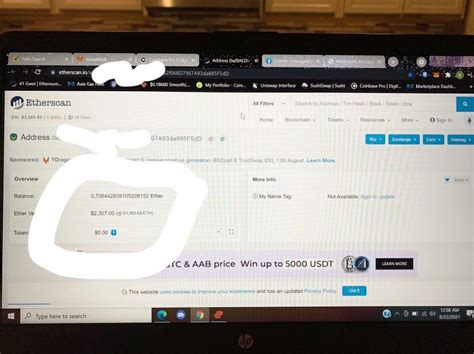
To resolve this issue, follow these steps:
- Reopen Notepad
: Start Notepad (or any other text editor you use) and reopen it from the Recents list.
- Copy old Ethereum network accounts: Click on the “Edit” menu and select “Copy”.
- Paste in MetaMask: Go back to your new MetaMask installation and click on the “Wallets” tab.
- Add old Ethereum network accounts: Click the “+” button and paste the copied account information.
Tips and Precautions
Before asking to reinstall MetaMask from Note, consider the following:
- Make sure you save some important account information (eg wallet address, passphrase) to Note before reinstalling.
- If you are using a private network or the Tor browser, this problem may be more serious and require manual recovery.
Conclusion
Reinstalling MetaMask from Note may seem like a simple process, but it’s easy to overlook the importance of keeping your old account information. By following these steps, you will be able to resolve the issue and restore your saved Ethereum network accounts. If the problem persists or you encounter additional difficulties, please contact MetaMask support for assistance.
Additional Resources
- MetaMask user guide: [
- Руководство пользователь Note: [
ileegetarmas
Solana: Devnet Faucet UI: “Error! You Have Exceeded the 2 Airdrop Limit in the Past 8 Hours”
Title: Confusing Error: “Error! Exceeded 2 Airdrop Limit in the Last 8 Hours” on Solana Devnet Faucet UI
Introduction
As a Solana developer or enthusiast, you may have come across a seemingly cryptic error message. The “Error! Exceeded 2 Airdrop Limit in the Last 8 Hours” error message appears when you attempt to request an airdrop on the Solana Devnet Faucet UI. In this article, we will explore what this error means and provide possible solutions to resolve the issue.
What is Solana Devnet Faucet?
Solana Devnet Faucet is a platform that allows users to request and collect airdrops in the Solana ecosystem. Airdrop rewards are typically issued by Solana developers or project teams and are distributed using a Proof-of-Stake (PoS) consensus algorithm.
The error is: “Error! Exceeded 2 airdrop limit in the last 8 hours”
When trying to request airdrops on the Devnet Faucet UI, you may see the following error message:
Error! Exceeded 2 airdrop limit in the last 8 hours
This error is likely triggered by previous airdrops from your IP address. Here’s what it means:
- “Exceeded 2”: The error indicates that your IP address has received more than two airdrops in the last eight hours.
- “Airdrop Limit”: This refers to the maximum number of airdrops that an individual can receive within a given time frame (in this case, 8 hours).
- “Past 8 hours”: This indicates that the error is specifically related to your IP address’s past activity on the Devnet Faucet UI.
Possible Solutions
While there are no known exploits or bugs that cause this specific issue, here are some possible solutions to resolve the error:
- Wait and Check Again: Sometimes it takes a few tries to resolve the error. Try waiting 24-48 hours and then try requesting an airdrop again.
- Increase your IP address’s airdrop limit
: If you have repeatedly exceeded the 2 airdrop limit, the error may be due to you reaching the maximum number of airdrops allowed. You can contact Devnet Faucet’s customer support team to discuss increasing the airdrop limit for your IP address.
- Clear your browser cache and cookies: Clearing your browser cache and cookies may help resolve the issue. However, this method is not foolproof and may not work if other system issues are preventing you from troubleshooting the error.
- Contact Devnet Faucet Support: Contact the Solana Devnet Faucet support team directly to report the issue and inquire about any possible solutions or updates that may have been implemented.
Conclusion
The Solana Devnet Faucet UI error message “Error! Exceeded 2 Airdrop Limit in the last 8 hours” can be frustrating, but it’s important to note that errors often have simple solutions. By waiting and re-checking, increasing your IP address airdrop limit, clearing your browser cache, and contacting support, you may be able to resolve the issue and continue to enjoy airdrops on the Solana Devnet Faucet UI.
Additional Resources
If you are experiencing issues with the Devnet Faucet UI, please refer to the official documentation and user guides for troubleshooting and resolving common issues. You can find these resources at the following links:
- Solana Community Forum: [
- Solana Developer Documentation: [
 © Tüm Hakları Saklıdır.