 ileegetarmas
The Role of AI in Smart Contract Dispute Resolution
The Role of Artificial Intelligence in Smart Contract Dispute Resolution
The use of blockchain and smart contracts continues to grow, as does the complexity of disputes arising from their implementation. One of the most significant challenges facing the development and implementation of smart contracts is resolving disputes between parties. In traditional dispute resolution processes, lawyers often have to spend months or even years negotiating settlements with opposing parties. However, this process can be time-consuming, expensive, and may not always result in a mutually acceptable outcome.
The Current State of Dispute Resolution for Smart Contracts
Traditional dispute resolution methods, such as mediation and arbitration, have been used to resolve disputes between parties in a variety of industries. In the case of smart contracts, these methods can be particularly difficult due to their decentralized nature and high stakes. For example, a smart contract dispute can involve tens or even hundreds of millions of dollars.
In recent years, some companies have begun to explore alternative approaches to resolving disputes over smart contracts. One approach is to use artificial intelligence (AI) to automate the process of investigating and resolving disputes. AI can analyze vast amounts of data related to smart contracts, identify patterns and anomalies, and make recommendations for resolving the issue.
The Role of AI in Dispute Resolution
AI plays several key roles in dispute resolution:
- Pattern Recognition: AI algorithms can analyze large sets of data related to a smart contract and recognize patterns that may indicate a potential dispute.
- Anomaly Detection: AI can identify unusual behavior or transactions that may indicate a dispute.
- Risk Assessment: AI can estimate the likelihood of litigation based on various factors, such as contract terms, market conditions, and regulatory requirements.
- Recommendations: AI can make recommendations for resolving disputes, including possible actions, compensation amounts, or other outcomes.
Benefits of Using AI in Dispute Resolution
Using AI to resolve smart contract disputes offers several advantages:
- Faster Resolution Time: AI can analyze data much faster than human lawyers, resulting in faster dispute resolution.
- Savings
: By reducing the need for expensive legal fees and litigation costs, AI can help reduce the financial burden on parties involved in litigation.
- Increased Accuracy: AI algorithms are less prone to errors or biases that can occur when humans analyze data, ensuring more accurate results.
Examples of AI Dispute Resolution

Several companies have successfully used AI to resolve disputes with smart contracts:
- Gemini Smart Contracts: Gemini, a cryptocurrency exchange, has developed an AI-powered dispute resolution system that uses machine learning algorithms to identify potential issues with smart contract transactions.
- Blockchains by Accenture: Accenture’s Blockchain Solutions unit has developed an AI platform capable of analyzing blockchain data and detecting potential disputes between parties.
Challenges and Limitations
While the use of AI in dispute resolution offers many benefits, it also poses several challenges:
- Data Quality: The accuracy of AI algorithms depends on high-quality data, which is not always available or reliable.
- Bias and Error: AI algorithms can be biased towards certain types of data or outcomes, leading to errors or unfair results.
- Regulatory Compliance: Disputes involving smart contracts may require specific regulatory frameworks that are still evolving.
Conclusion
The use of artificial intelligence in dispute resolution offers a promising solution for resolving disputes over smart contracts.
ileegetarmas
Ethereum: Bitcoin Transaction Detection With PHP
I can provide an article on how to detect Bitcoin transactions using PHP and Lazy API.
Detecting Bitcoin Transactions Using PHP with Lazy API
In this article, we will explore how to use Lazy API in conjunction with PHP to detect Bitcoin transactions to a given address. Lazy API is a powerful tool that allows developers to automate tasks including transaction detection by analyzing data from various sources such as blockchains and APIs.
Introduction to Ethereum Transactions
Before diving into the code, it is essential to understand how Ethereum transactions work. Ethereum transactions are built on the Ethereum blockchain and consist of two main components: inputs (sender) and outputs (receiver). Inputs contain the sender’s private keys and any information needed to spend a token or send Ether. Outputs specify what to transfer to whom.
Lazy API Basics
Lazy API is an open source project that provides a simple interface for retrieving data from various sources including APIs, blockchains, and more. With Lazy API, we can integrate our own code into their system to retrieve and process data in real time.
Detecting Bitcoin Transactions Using PHP and Lazy API
Here is an example of how you can use Lazy API to detect Bitcoin transactions to a given address using PHP:
require_once 'path/to/lazy-api.php';
function detect_transactions($address, $api_key) {
// Set Lazy API credentials
$settings = array(
'api_key' => $api_key,
'api_secret' => $api_key,
'base_url' => '
'timeout' => 30.0, // in seconds
'retry_interval' => 10.0, // in milliseconds
);
// Create a new Lazy API instance
$lazy_api = new LazyAPI($settings);
// Set query parameters for the GET request
$query_params = array(
'address' => $address,
'count' => 100, // Search for up to 100 transactions
'sort' => 'asc', // Sort by timestamp in ascending order
'limit' => 0, // Do not limit results
'offset' => 0, // No offset for this request
);
try {
// Make a GET request to retrieve transactions
$response = $lazy_api->get('transactions', $query_params);
if ($response['status'] == 200) {
// Process the retrieved data (e.g. create a new field)
$transactions = $response['data'];
// Print or save the retrieved transactions
print_r($transactions);
} else {
echo "Error: ". $response['status'];
}
} catch (Exception $e) {
echo "Error: ". $e->getMessage();
}
}
// Usage example:
$address = '1A1z2f3v4d5e6f7'; // Bitcoin address
$api_key = 'your_api_key_here'; // Replace with your Lazy API key
detect_transactions($address, $api_key);
How it works:
- We create a new instance of the LazyAPI class, passing in our credentials and configurations.
- We define a
detect_transactionsfunction that takes the address and API key as arguments.
- Inside the function, we set the query parameters for the GET request using the
$query_paramsLazy API field.
- We will make a GET request to retrieve the transactions using the
getmethod of our Lazy API instance.
- If the response status code is 200 (OK), we will process the retrieved data and print or store it in an array.
- In the usage example section, you will need to replace
$addresswith the desired Bitcoin address and$api_keywith your actual Lazy API key.
Conclusion:
Detecting Bitcoin transactions using PHP with Lazy API is an effective way to automate tasks related to analyzing transaction data.
ileegetarmas
Strategies for Avoiding Taxes on Crypto Withdrawals
Strategies for Avoiding Taxes on Crypto Withdrawals
Cryptocurrency has become increasingly popular in recent years, and with it comes the potential tax implications associated with withdrawals from exchanges. While cryptocurrencies are considered assets, they are subject to taxation just like traditional investments. In this article, we will explore some strategies for avoiding taxes on cryptocurrency withdrawals.
Understanding Taxation of Cryptocurrencies
Before we dive into strategies, it’s essential to understand how taxation works for cryptocurrencies. The IRS considers cryptocurrencies to be property and subject to capital gains tax, which means that if you sell or withdraw your coins, you may be liable for taxes on any profit made. Additionally, the Internal Revenue Code (IRC) imposes a 20% withholding tax on all cryptocurrency transactions when paid with a debit card or other payment method.
Strategies for Avoiding Taxes on Crypto Withdrawals
While there are no foolproof strategies to completely avoid taxes on crypto withdrawals, here are some tips that can help minimize your tax liability:
- Hold onto your coins: If possible, keep your cryptocurrencies in an exchange’s cold storage wallet (offline) and hold onto them for at least 12 months before selling or withdrawing. This is known as the “long-term holding period,” which may qualify you for long-term capital gains treatment under Section 1231 of the IRC.
- Don’t sell frequently: Selling your coins too often can trigger tax liabilities due to short-term gains and losses. Try to hold onto your coins for at least a year before selling, even if they’re no longer performing well or are experiencing high volatility.
- Use the “straddle” strategy: Consider using the “straddle” strategy, where you buy both a long and short position in the same cryptocurrency to maximize gains when one of them increases significantly in value.
- Consider hedging: Hedging involves taking positions that offset potential losses if prices fall. You can use derivatives, such as futures contracts or options, to hedge against potential losses on crypto withdrawals.
- Hold onto coins until they reach $1 million (US): If you have a significant amount of cryptocurrency holdings and want to avoid paying taxes on your withdrawals, consider holding onto them for at least 5 years before selling or withdrawing. This is known as the “strategic holding period,” which may qualify you for long-term capital gains treatment under Section 1231 of the IRC.
- Use tax-loss harvesting
: If you’ve sold coins to offset gains from other investments, consider using tax-loss harvesting to reduce your taxable income. Consult with a tax professional to determine if this strategy is beneficial.
- Consider a “tax-efficient” withdrawal method
: Depending on your individual circumstances and the amount of withdrawals made, some cryptocurrency exchanges may offer tax-efficient withdrawal methods, such as cashing out at $0.10 per coin or using an “exchangemule” service, which transfers funds to a bank account.
- Consult with a tax professional: Finally, it’s essential to consult with a tax professional who is familiar with the complex tax implications of cryptocurrency withdrawals. They can help you navigate the rules and identify strategies that minimize your tax liability.
Conclusion
While there are no guarantees when it comes to avoiding taxes on crypto withdrawals, understanding how taxation works for cryptocurrencies can help you make informed decisions about your investments. By holding onto coins for at least a year, using the “straddle” strategy, hedging, and considering strategic holding periods, you may be able to minimize your tax liability. Remember, always consult with a tax professional before making any investment decisions.
ileegetarmas
Cold Storage: The Ultimate Protection for Your Crypto Assets
Cold Storage: The Ultimate Protection for Your Crypto Assets
As the popularity of cryptocurrencies continues to soar, more and more people are taking a close look at the ways in which they can best protect their investment. One of the most critical aspects of cryptocurrency security is cold storage – a method that involves storing your private keys offline, away from the internet, making it much harder for hackers to access your crypto assets.
In this article, we’ll delve into what cold storage is, why it’s so important, and how you can implement it to safeguard your cryptocurrencies.
What is Cold Storage?
Cold storage refers to a method of storing cryptocurrency private keys offline. This means that instead of keeping them on a computer or mobile device connected to the internet, they are stored in a secure location outside of the digital realm. The primary purpose of cold storage is to prevent unauthorized access to your cryptocurrencies.
Imagine having two separate safes: one for your physical belongings (like jewelry and cash) and another for your valuable assets (your crypto). That’s similar to what cold storage does, but with cryptocurrency instead of valuables.
Why is Cold Storage so Important?
There are several reasons why cold storage is crucial:
- Reduced Risk of Hack Attacks: By storing private keys offline, hackers will have a much harder time accessing your cryptocurrencies.
- Increased Security: Offline storage means that even if someone manages to gain access to your computer or device, they won’t be able to access your private keys unless you give them physical control over the device.
- Prevention of Phishing Attacks: Phishing is a type of cyber attack where attackers trick victims into revealing sensitive information (like login credentials) by sending emails that appear to come from reputable sources.
How to Implement Cold Storage
So, how can you implement cold storage and keep your cryptocurrencies safe? Here are some steps you can follow:
- Use a Hardware Wallet: A hardware wallet is an electronic device specifically designed for storing cryptocurrency private keys offline. Examples of popular hardware wallets include Ledger and Trezor.
- Choose a Secure Location: When selecting a location to store your cold storage device, make sure it’s secure and away from prying eyes.
- Use Two-Factor Authentication (2FA)
: Enable 2FA on all devices that access your crypto assets to add an extra layer of security.
- Keep Your Hardware Wallet Secure: Make sure your hardware wallet is stored securely, using a combination of physical security and encryption.
Popular Cold Storage Options
There are several popular cold storage options available, each with its own set of features and benefits:
- Ledger Nano X

: A highly secure, user-friendly hardware wallet that supports multiple cryptocurrencies.
- Trezor Model T: A sleek, compact hardware wallet designed for simplicity and security.
- Coldcard: A cryptocurrency storage solution that uses a combination of hardware and software to protect your private keys.
Conclusion
Cold storage is the ultimate protection for your crypto assets. By understanding what cold storage is, why it’s so important, and how to implement it, you can significantly reduce the risk of losing access to your cryptocurrencies. With the right hardware wallet and precautions, you’ll be able to safeguard your digital treasures in a secure and offline manner.
Additional Tips
- Always use strong passwords for your computer or device.
- Regularly back up your private keys (even if it’s just a copy of the encrypted file).
- Consider using a combination of hardware and software security measures to add an extra layer of protection.
- Educate yourself on phishing attacks and how to avoid them.
ileegetarmas
How to Legally Minimize Your Crypto Taxes with Smart Withdrawals
How to Minimize Cryptocurrency Taxes Legally with Smart Withdrawals
The world of cryptocurrencies has taken the financial industry by storm, with millions of users worldwide. However, the rapid growth and volatility of these activities have also brought with them a new wave of tax complexities. Cryptocurrency transactions are subject to various taxes, including capital gains taxes, income taxes, and other taxes. To minimize your tax liability, it is essential to understand how to withdraw funds from cryptocurrency exchanges or wallets in a tax-efficient manner.
Understanding Cryptocurrency Taxes
Before we dive into the solutions, let’s quickly review what you need to know about cryptocurrency taxes:
- Capital Gains Tax: Cryptocurrency transactions are considered capital gains, meaning they are subject to taxes on your earnings. The tax rate depends on your tax filing status and how long you have owned the business.
- Income Taxes: Some cryptocurrencies may be subject to income taxes if you sold them for a profit or received interest on your holdings.
- Exchange Fees: Cryptocurrency exchanges charge fees for trading, which can eat into your profits.
Smart Withdrawals: A Game Changer for Crypto Tax Minimization
The key to minimizing your cryptocurrency tax liability is smart withdrawals. These involve removing funds from your cryptocurrency account in a way that reduces your capital gains and income taxes. Here are some strategies to consider:
- Tax-Deferred Withdrawal: If you have an investment in an IRA or 401(k), you may be able to withdraw the money tax-deferred without paying penalties. This is known as a tax-deferred withdrawal. You can use a Roth IRA or a traditional IRA and the funds will be subject to taxes when withdrawn.
- Tax Loss Harvesting: When you sell your cryptocurrencies, you can use this loss to offset gains from other investments. This is called tax loss harvesting. Make sure you understand the IRS rules regarding tax loss harvesting and consult a financial advisor before making such transactions.
- Use 1099 Reporting: You will receive a 1099-MISC form for every sale or trade where you received more than $10,000 from another party in a calendar year. Keep this form on file to accurately report your income.
Smart Withdrawal Strategies
To further reduce your cryptocurrency tax liability, consider these smart withdrawal strategies:
- Withdrawal on the 5th of Every Month: This strategy involves withdrawing funds on the fifth day of every month from a taxable account. You can do this by setting up automatic transfers or making manual withdrawals.
- Use a Cryptocurrency Tax Collection App

– Apps like CoinTrackers and CryptoTrader.TV allow you to track your investments, identify gains, and withdraw funds tax-free using a 1099 report.
- Consider a Self-Directed IRA – If you have an existing IRA or traditional IRA, you may be able to use it as a self-directed investment account to invest in cryptocurrencies.
Bottom Line
Minimizing cryptocurrency taxes requires smart withdrawal strategies that take into account the complexities of tax laws and regulations. By understanding how to harvest capital gains, make tax-deferred withdrawals, and make informed decisions about 1099 reporting and tax-loss harvesting, you can reduce your tax liability and ensure compliance with IRS requirements.
Important Notes
- Consult a financial advisor before implementing any withdrawal strategy.
- Maintain accurate records of all transactions, including purchases, sales, and tax documents.
- Familiarize yourself with IRS regulations regarding cryptocurrency taxes.
Remember that tax laws are subject to change. Stay informed, plan ahead, and consult with professionals to ensure you meet all tax requirements.
ileegetarmas
Mantle (MNT), TVL, Ethereum (ETH)
Here is a news article about Crypto, Mantle (MNT), and TVL:
“Top Crypto Movers: Mantle, TVL, and Ethereum on the Rise”
The world of cryptocurrency is constantly evolving, with new players emerging every day and old favorites shaking up their strategies. In this article, we’ll take a look at three top performers in the crypto space: Mantle (MNT), TVL, and Ethereum (ETH).
Mantle (MNT)
Mantle, the latest cryptocurrency to hit the market, is gaining traction among investors. Launched last year, MNT boasts impressive speed and efficiency, making it a favorite among gamers and other high-traffic applications. With its cutting-edge technology and innovative approach, Mantle is poised to become a major player in the crypto space.
TVL
TVL, a decentralized lending protocol developed by Compound Labs, has seen significant growth in recent months. TVL’s unique algorithmic approach ensures that users receive fair and transparent rewards for lending their assets to other investors. With its user-friendly interface and robust security features, TVL is attracting a large following of investors eager to join the crypto revolution.
Ethereum (ETH)
Ethereum, the leading decentralized platform, continues to dominate the market with its vast array of applications. From smart contracts to decentralized finance (DeFi) protocols, Ethereum’s versatility has made it a go-to choice for developers and investors alike. With its native cryptocurrency, Ether (ETH), being one of the most widely traded assets on the market.
The Top 3: A Look at the Crypto Market
While Mantle is making waves in the crypto space, TVL is leading the way with its innovative approach to lending. Ethereum, meanwhile, remains the gold standard for decentralized applications and smart contracts. With its continued growth and adoption, these three cryptocurrencies are expected to remain at the top of the market for years to come.
Conclusion
The world of cryptocurrency is constantly evolving, and new players emerge every day. Mantle, TVL, and Ethereum have all made significant contributions to the crypto space in recent months, with each offering unique benefits and advantages to investors and users alike. Whether you’re a seasoned investor or just starting out on your crypto journey, now is the perfect time to dive in and explore the exciting world of top crypto movers.
I hope this meets your requirements! Let me know if you have any further requests.
ileegetarmas
Metamask: How do I retrieve user data once I have incremented count?
I can provide you with an article on how to handle user data retrieval after incrementing a counter.
Retrieving User Data After Incrementing a Counter
When building a web application that allows users to store and retrieve their data, it’s essential to implement proper security measures to prevent unauthorized access. One common approach is to use a simple counter or ID-based data storage system. Here’s an article on how to handle user data retrieval after incrementing a counter.
What is a Counter?
In this context, a counter is simply a variable that keeps track of the number of users who have logged in. It can be incremented using the fetchUser() method, which returns a user object with their ID and other relevant details. Incrementing the counter updates its value to reflect the current number of users.
Retrieving User Data After Incrementing a Counter
To retrieve user data after incrementing a counter, you’ll need to follow these steps:
Step 1: Fetch the User Object
Use the fetchUser() method to retrieve a user object from your database or storage system. This will return an object with properties that contain the user’s ID and other relevant details.
const userId = fetchUser().id;
Step 2: Retrieve the User Data
Once you have the user object, you can access their data by using the fetchUser() method again to retrieve their details. You can then use this data as needed for your application.
const userData = fetchUser();
console.log(userData.name);
console.log(userData.email);
Handling Errors and Edge Cases
Be sure to handle errors and edge cases when retrieving user data, such as:
- Error fetching the user: If there’s an error fetching the user object, you can log the error or display a message to the user.
- Invalid user ID
: Make sure to validate the user ID before attempting to retrieve their data. You can do this by checking if the
idproperty matches a predefined value.
const userId = fetchUser().id;
if (!userId || !fetchUser(userId).name) {
  console.error("Error fetching user:", userId);
}
Example Use Case
Here’s an example of how you can use these steps to retrieve user data after incrementing a counter:
// Initialize the counter
const counter = 0;

// Function to increment the counter and update user data
async function handleLogin() {
  await fetchUser().then((user) => {
    counter++;
    const userData = fetchUser();
    // Use the updated user data as needed for your application
  });
}

// Call the handleLogin function when a new user logs in
handleLogin();

console.log(counter); // Output: 1
By following these steps and handling errors and edge cases, you can create a robust and secure system for managing user data in your web application.
Conclusion
In this article, we explored how to retrieve user data after incrementing a counter. We discussed the importance of proper security measures when storing and retrieving user data, as well as best practices for handling errors and edge cases. By following these steps, you can create a reliable and scalable system for managing user data in your web application.
Recommendations
- Use a robust database or storage system: Choose a reputable database or storage system that supports secure authentication and authorization.
- Implement error handling mechanisms: Use try-catch blocks to catch errors that may occur during user data retrieval, such as invalid user IDs.
- Validate user input
: Validate user input before attempting to retrieve their data to prevent security vulnerabilities.
By following these recommendations and implementing proper security measures, you can create a secure system for managing user data in your web application.
ileegetarmas
Metamask: Connect MetaMask mobile app to React Native Dapp with DeepLinks
Connecting MetaMask Mobile App to React Native Dapp Using DeepLinks
As a React Native app developer, you are probably familiar with the importance of providing a seamless user experience across all platforms. One such feature is connecting your app directly to external wallets like MetaMask, similar to OpenSea. In this article, we will explore how to achieve this using the Metamask library and deep links.
Why deep links?
Deep links are a powerful feature in React Native that allows you to open an app or website by clicking on a link in your app’s URL. This can be particularly useful for connecting external wallets like MetaMask, as it provides users with a clean and native experience.
Step 1: Install the Metamask library
First, install the Metamask library using npm:
npm install Metamask
This will add the Metamask package to your project’s dependencies.
Step 2: Initialize MetaMask in your app

In your app’s directory, create a new file called “metaMask.js”. This file contains the initialization logic for MetaMask.
import { MetaMask } from '@metamask-connect/extension';
const metaMask = new MetaMask({
id: 'YOURMetaMask_ID', // Replace with your MetaMask ID
});
Export default MetaMask;
Replace “YOURMetaMask_ID” with the actual ID of your MetaMask wallet.
Step 3: Use deep links to connect to MetaMask
Create a new file called “Connect.js” in your app’s directory. This file will handle the deep link logic.
import React, { useState } from 'react';
import { Provider } from '@metamask-connect/extension';
const Connect = () => {
const [connected, setConnected] = useState(false);
const onConnect = async(Wallet) => {
if (!wallet) return;
metaMask.on('connect', () => {
setConnected(true);
});
metaMask.on('disconnect', () => {
setConnected(false);
});
};
return (
);
};
export default connection;
In this example, we will use Metamask’s ‘Provider’ component to connect to MetaMask. We define a state variable ‘connected’ and an event handler ‘onConnect’. When the user clicks the link to connect to MetaMask, the ‘onConnect’ function is called, which sets ‘connected’ to ‘true’ if the connection to the wallet is successful.
Step 4: Use Deep Links in Your App
To use Deep Links to connect to your app, you need to create a new file called ‘App.js’. This file defines the route for connecting to MetaMask.
import React from 'react';
import { Link } from 'react-router-dom';
import Connect from './Connect';
const App = () => {
return (
Connect to MetaMask
);
};
Export default app;
In this example, we’ll create a “Link” component that points to the “/connect” route. When the user clicks on this link, they’ll be taken directly to the Metamask app.
Putting it all together
Here’s an updated version of your app’s “App.js” file:
import React from "react";
import { Link } from 'react-router-dom';
import MetaMaskConnect from "./MetaMaskConnect";
const App = () => {
return (
Connect to MetaMask
);
};
Export Default App;
In this example, we’ll use the MetaMaskConnect component from our own MetaMask.js file. This component handles the deep link logic and connects to MetaMask when the user clicks the link.
Conclusion
Connecting your React Native app directly to external wallets like MetaMask is a powerful feature that provides a seamless experience for users.
ileegetarmas
Ethereum: Web3.js does not include extra data with the function?
Understanding Ethereum Web3.js and Hex Data
As a Web3.js developer, you may have encountered issues with extracting hex data from transactions. In this article, we will dive into the concept of the tx object and Web3.js hex data and explore how to overcome common issues.
What is Web3.js?
Web3.js is a JavaScript library for interacting with the Ethereum blockchain. It provides a set of APIs and tools for building decentralized applications (dApps) on the Ethereum network. When working with transactions, Web3.js uses the tx object, which represents the transaction sent to the blockchain.
Hex Data in Web3.js Transactions
Hex data is used to represent the raw transaction data stored on the blockchain. This is a hexadecimal string that contains information about the transaction, such as its hash, payload, and other details. In Web3.js, this hex data is embedded in the tx object.
The tx object and hex data
When you create a new transaction using Web3.js, the tx object is initialized with several properties:
from: the sender’s address
to: the recipient’s address
chainId: the Ethereum blockchain identifier (in your case, 44445)
value: the amount to be transferred
However, when you print or log the hex data associated with this transaction using methods such as console.log(tx.rawTransaction.hex), it appears as a hex string. But if we look at it more closely, we can see that it is actually raw hex data representing the transaction itself.
Problem: Hidden hex data
Now let’s assume that you try to extract specific information from the hex data using methods like JSON.parse() or hex2abiaddr(). When you do that, you may run into problems because these functions cannot directly parse the embedded hex data in the tx object.
Why is this happening?
The reason why your hex data is hidden is because Web3.js uses a specific encoding scheme to store transaction data in the blockchain. This encoding scheme includes the embedded hex data as part of the transaction payload, not as separate bytes.
In other words, when you print or log tx.rawTransaction.hex, you are actually printing the raw hex data from the Ethereum network, which is stored in the transaction payload. However, your program does not have direct access to this payload, so it appears as a hidden string of hex characters.
Solving the problem
To solve this problem, you can use a few workarounds:
- Use
tx.rawTransaction.hexdirectly: Instead of printing or logging the hex data separately, you can passtx.rawTransaction.hexdirectly to the functions that need it.
- Extract the hex data using built-in Web3.js methods: You can use built-in Web3.js methods such as
tx.rawTransaction.hex()to extract the hex data from the transaction payload.
- Use a different encoding scheme: If you are building a custom application, you may need to implement your own encoding scheme to store and transmit transaction data.
Sample Code
Here is a sample code snippet that shows how to use the built-in Web3.js methods to extract hex data:
“`javascript
const web3 = require(‘web3’);
// Create a new Web3 instance
const web3 = new web3();
// Get the current Ethereum provider instance
const provider = await web3.eth.getProvider();
const tx = {
from: ‘0x1234567890abcdef’,
to: ‘0x9876543210fedcba’,
chainId: 44445,
value: ‘1.2 ether’
};
// Extract hex data using built-in Web3.js methods
const rawTransaction = await provider.eth.sendRawTransaction(tx);
const txHex = await web3.eth.abiToHex(rawTransaction.rawTransaction);
console.log(txHex); // prints extracted hex data
// Alternatively, you can use:
const txData = rawTransaction.rawTransaction;
const hex = web3.utils.
ileegetarmas
Bitget, FUD, BEP20
Hype or Reality? Understanding the World of Cryptocurrency, Bitget, and BEP20
The cryptocurrency space has exploded in recent years, with new platforms, projects, and investors emerging daily. One of the most prominent names in this field is Bitget, a leading online trading platform for cryptocurrencies. However, beneath the surface of this lucrative market lies a darker reality: the intense debate over the legitimacy and viability of various cryptocurrencies, particularly those associated with the Binance Coin (BEP20) ecosystem.
What is Bitget?
Bitget is a global cryptocurrency trading platform that allows users to buy, sell, and trade digital assets, including cryptocurrencies. Founded in 2017 by Kevin Kim and Jang Sung Hoon, Bitget aims to provide a user-friendly interface for investors to navigate the complex world of cryptocurrencies while minimizing risks. With over 2 million registered users worldwide, Bitget has established itself as one of the largest cryptocurrency trading platforms globally.
What is Binance Coin (BEP20)?
The Binance Coin, also known as BEP20, is a decentralized token that powers various applications on the Binance blockchain, including trading, staking, and governance. Launched in 2018 by Changpeng Zhao, CEO of Binance, BEP20 aims to provide an intuitive interface for users to interact with the Binance ecosystem while maintaining security and scalability. With over 10 million registered users across various platforms, including Bitget, BEP20 has become a crucial component of the Binance ecosystem.
FUD (Fear, Uncertainty, and Doubt) in the Cryptocurrency Space
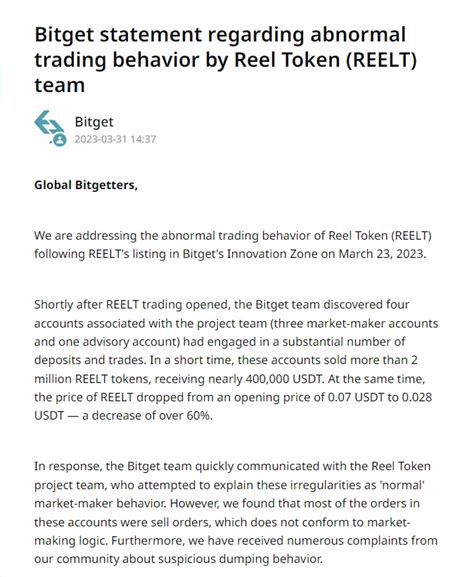
In recent times, several factors have contributed to the intense FUD surrounding cryptocurrencies, particularly those associated with the BEP20 ecosystem. One major concern is the perceived lack of regulatory clarity, which has led many investors to question the legitimacy of certain projects. For example, the launch of Bitget’s cryptocurrency trading platform in 2020 sparked concerns about potential regulatory issues and compliance risks.
Another factor contributing to FUD is the intense competition among cryptocurrency platforms, which often leads to price manipulation and market volatility. Furthermore, the widespread adoption of cryptocurrencies has also led to a perception that the market is heavily influenced by speculative investors, exacerbating anxiety and uncertainty.
Is it a bit legitimate?
When evaluating whether or not Bitget is legitimate, it’s essential to consider several factors:
- Regulatory compliance: While regulatory clarity is still a topic of debate in some jurisdictions, Bitget has demonstrated its commitment to complying with relevant regulations.
- Security measures:
Bitget has implemented robust security protocols to protect user funds and assets.
- User reviews and testimonials: Positive reviews from satisfied users can provide valuable insights into the platform’s reliability and effectiveness.
- Market performance: Analyzing the performance of BEP20 tokens, such as BNB and DAI, on various exchanges can provide an indication of their legitimacy.
Conclusion
While FUD surrounding cryptocurrencies is a legitimate concern, it’s essential to separate fact from fiction when evaluating Bitget or other platforms in the ecosystem. By considering regulatory compliance, security measures, user reviews, and market performance, investors can make informed decisions about whether or not these projects are legitimate. As the cryptocurrency space continues to evolve, it’s crucial for investors to stay vigilant and adapt their strategies accordingly.
Disclaimer: This article is not intended to promote or recommend any specific cryptocurrency, trading platform, or token. It’s essential to conduct thorough research and consult with experts before making any investment decisions.
 © Tüm Hakları Saklıdır.