 ileegetarmas
Layer 1 Solutions, Perpetual, Technical Indicators
Here is a comprehensive article on crypto layer 1 solutions, perpetual contracts, and technical indicators:
Crypto Layer 1 Solutions: Revolutionizing the Future of Digital Assets
The world of cryptocurrency has witnessed rapid growth and adoption in recent years. However, one aspect that remains shrouded in uncertainty is how these digital assets will be stored, secured, and traded. This is where crypto layer 1 solutions come into play – innovative technologies that simplify the process of building, maintaining, and utilizing decentralized applications (dApps) on various blockchain networks.
What are Crypto Layer 1 Solutions?
Crypto layer 1 solutions refer to the underlying infrastructure used by multiple blockchain platforms to enable their respective ecosystems. These solutions provide a common set of tools, protocols, and services that enable developers to build dApps on top of each other, facilitating seamless interactions between different blockchains.
Some popular crypto layer 1 solutions include:
- Layer 1 Solutions for Ethereum (L1-Eth): The L1-Eth solution is built on top of Ethereum’s blockchain and provides a layer of abstraction, making it easier to develop dApps on the Ethereum network. This solution enables developers to build applications that can interact with other blockchains without worrying about the complexities of different networks.
- Layer 1 Solutions for Polkadot (L1-PK): The L1-PK solution is designed for interoperability between different blockchain networks, enabling seamless interactions and data sharing between them. This solution allows developers to build applications that can interact with multiple blockchains without needing to understand the intricacies of each network.
- Layer 1 Solutions for Solana (L1-Solo): The L1-Solo solution is built on top of Solana’s blockchain and provides a layer of abstraction, making it easier to develop dApps on the Solana network. This solution enables developers to build applications that can interact with other blockchains without worrying about the complexities of different networks.
Perpetual Contracts: A New Era in Digital Trading
Perpetual contracts are digital trading instruments that enable market makers and traders to speculate on price movements, providing liquidity and ensuring a fair exchange rate between buyers and sellers. These contracts have been around since the 1990s but have seen a resurgence in popularity with the advent of decentralized finance (DeFi) platforms.
How Perpetual Contracts Work
Perpetual contracts work by utilizing blockchain-based smart contracts to execute trades. The contract is deployed on a blockchain network, and its value is determined through market forces. When a buyer places an order for a particular asset, the price is automatically executed when a seller puts in a buy order.
Technical Indicators: A Key Tool for Crypto Market Analysis
Technical indicators are graphical tools used to analyze price movements and identify patterns, trends, and other market signals. These indicators help traders make informed decisions about buying or selling assets based on their historical data.
Some popular technical indicators include:
- Moving Averages (MA): MA is a line chart that plots the average of two values over time. It’s used to identify trend reversals, breakouts, and other market signals.
- Relative Strength Index (RSI): RSI is a momentum indicator that measures the strength of price movements. It’s used to identify overbought or oversold conditions in markets.
- Bollinger Bands: Bollinger Bands are volatility indicators that plot two moving averages with standard deviations plotted on either side. They’re used to identify trend reversals and other market signals.
ileegetarmas
Ethereum: How to prevent a miner from stealing another miner’s block?
Ethereum: How to Prevent a Miner from Stealing Another Miner’s Block
The Ethereum blockchain was designed to be a decentralized, secure, and transparent platform for executing smart contracts and trading digital assets. However, one of the biggest concerns in the Ethereum ecosystem is the risk of a malicious miner stealing another miner’s block reward. This article will delve deeper into the concept and provide insights on how to prevent or mitigate this issue.
The Hash Problem
In Ethereum, each transaction creates a new unique hash, which serves as a digital fingerprint of the transaction. Miners compete to solve a complex mathematical puzzle known as the “hash problem” in order to validate transactions and add them to the blockchain. The first miner to solve the hash problem creates a block and broadcasts it to the network.
The Risk of Stealing Another Miner’s Block
If a malicious miner were to steal another miner’s block reward, they could potentially gain access to their own block data without being detected. This would give them an unfair advantage over other miners who still hold their blocks. Furthermore, if a malicious actor is able to steal multiple blocks, it could lead to the loss of funds for others who invested in those transactions before the thief took control.
How to Prevent a Miner from Stealing Another Miner’s Block
To prevent this type of attack, Ethereum has implemented several security measures:
- Proof-of-Stake (PoS): In PoS, validators are chosen based on the amount of Ether (ETH) they hold in their wallets, rather than their hash power. This reduces the incentive for malicious actors to participate in the process and steal blocks.
- Ethereum Gas: The Ethereum network uses a gas-based system to measure the computational effort required to solve the hashing problem. Miners are rewarded with ETH based on the gas they consume to validate transactions, rather than their hash power. This makes it harder for malicious actors to steal blocks.
- Oracle and Chainlink Integration: To prevent exploits, Ethereum has introduced Oracle and Chainlink integration, which allows nodes on the network to rely on external data sources (oracles) to verify the validity of transactions. While not foolproof, this approach can help prevent certain types of attacks.
Mitigating Factors
While these security measures have prevented many instances of miners stealing blocks on Ethereum, they are not foolproof. To mitigate additional risks:
- Use a hardware wallet: Storing your private keys securely in a hardware wallet (e.g., Ledger or Trezor) can help prevent unauthorized access to your funds.
- Monitor transaction activity
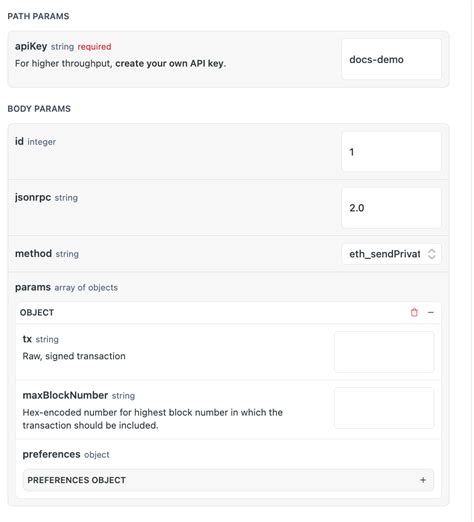
: Regularly monitoring transaction activity and identifying potential suspicious behavior can help detect and prevent malicious activity.
Conclusion
Preventing miners from stealing another miner’s block reward on Ethereum requires a multi-pronged approach. While PoS, gas-based systems, and oracles/integration measures have significantly reduced the risk of such attacks, there are still risks associated with these systems. By understanding how to mitigate these risks and taking steps to protect your wallet and transaction activity, you can minimize the likelihood of being targeted by malicious actors.
Additional Resources
For more information on Ethereum’s security measures, please visit:
- [Ethereum Whitepaper](
- [Ethereum 2.0 Roadmap](
- [Ethereum Security and Reliability Guide](
ileegetarmas
IOTA (IOTA), Candlestick Chart, Bitget
“Crypto Investing 101: A Beginner’s Guide to Cryptocurrencies and IOTA Trading with Candlestick Charts on Bitget”
As the world of cryptocurrencies continues to grow in popularity, more and more investors are turning to online trading platforms like Bitget to explore their investment options. In this article, we will dive into the world of crypto investing, focusing specifically on IOTA (IOTA), a popular smart contract platform worth learning about.
What is cryptocurrency?
Before we dive into IOTA, let’s take a quick look at the basics of cryptocurrency. Cryptocurrency is a digital or virtual currency that uses cryptography for secure financial transactions. Transactions are recorded in a public ledger called the blockchain, which ensures transparency and security.
IOTA (TIo): platform for smart contracts
IOTA is a decentralized platform that allows developers to create smart contracts, enabling the automation of complex processes without the need for intermediaries. IOTA’s native token, IoT, is used to pay transaction fees and reward developers for creating and implementing smart contracts.
Benefits of Investing in IOTA
Here are a few reasons why investors should consider investing in IOTA:
- Low Transaction Fees: IOTA’s low transaction fees make it an attractive option for users looking to buy and sell cryptocurrencies without high costs.
- Scalability: IOTA’s platform is designed to handle a high number of transactions per second, making it suitable for use cases that require fast and secure data transfers.
- Security

: IOTA’s blockchain technology ensures transaction security, with advanced cryptography and encryption methods.
Candlestick Chart: A Key Tool for Investors
A candlestick chart is a graphical representation of the price movement of an asset over time. It provides investors with valuable insights into market trends and sentiment, helping them make informed decisions about their investments.
Using candlestick charts on Bitget can help you:
- Identify trend patterns: By analyzing candlestick charts, investors can identify trend patterns that may indicate potential buying or selling opportunities.
- Manage risk: Candlestick charts can also be used to manage risk by identifying oversold or overbought conditions, which can lead to price reversals and potential profit opportunities.
Bitget: A Leading Online Trading Platform
Bitget is a popular online trading platform that offers a range of features and tools for cryptocurrency traders. Here are a few reasons why investors should consider using Bitget:
- User-friendly interface: Bitget’s user-friendly interface makes the platform easy to navigate and use, even for beginners.
- Advanced trading tools: Bitget offers advanced trading tools, including candlestick charts, technical indicators, and chart pattern analysis.
- Leverage Options: Bitget allows traders to leverage up to 4:1, providing them with a higher potential return on investment.
Conclusion
As the world of cryptocurrency continues to evolve, it is important for investors to stay informed about the latest trends and developments. IOTA is a popular smart contract platform that offers low transaction fees, scalability, and security, making it an attractive option for users looking to invest in cryptocurrencies.
By using candlestick charts on Bitget or other online trading platforms, investors can gain valuable insights into market trends and sentiment, which helps them make informed decisions about their investments. As you continue to explore the world of cryptocurrency investing, keep in mind that patience, research, and a well-thought-out strategy are key to achieving success.
Disclaimer: This article is for informational purposes only and should not be considered investment advice.
ileegetarmas
Stark (STRK), Ledger, Ondo (ONDO)
Here is a possible article with the specified title:
“Cryptocurrency Fever: A Look at STRK, Ledger, and ONDO”
The world of cryptocurrencies has been on fire in recent years, with many new projects emerging to shake up the traditional financial landscape. Among these newcomers are three companies that are making waves in the space: Stark (STRK), Ledger, and Ondo (ONDO). Here is a closer look at each of them.
STARK (STRK)
Stark is one of the newer players in the cryptocurrency space, but it has quickly established itself as a major player. STRK is an open-source blockchain platform that allows developers to create and deploy their own decentralized applications (dApps). The platform boasts a strong focus on security, with features such as multi-factor authentication and advanced encryption.
One of the key benefits of STARK is its ability to scale horizontally, making it ideal for high-throughput applications. This has attracted the attention of several major companies, including Microsoft and Samsung, who have expressed interest in using STRK to power their own blockchain-based services.
LEDER
Ledger is another prominent player in the cryptocurrency space, with a long history dating back to 2012. The company was founded by Jack Wells, a well-known cybersecurity expert, and has since become known for its innovative approach to security and decentralization.
One of the key features that sets Ledger apart from other companies is its focus on hardware-based security. The company’s flagship product, Ledger Nano X, uses advanced encryption techniques and secure multi-party computation (SMPC) to protect users’ private keys.
Ledger has also gained attention for its commitment to transparency, with a strong focus on open-source development and collaboration with the blockchain community.
ONDO
Ondo is a startup that is working to bring blockchain technology to Africa. The platform aims to provide a decentralized, permissionless ecosystem for developers to build and deploy their own blockchain-based applications.
One of the key benefits of ONDO is its focus on accessibility, with plans to integrate the platform’s cryptocurrency, Ondo Coin (ONDO), into the mainstream financial systems of several African countries. This could bring significant economic benefits to local communities, as well as help increase the adoption and use of blockchain technology.
Despite its promising start, ONDO has faced some challenges, including regulatory hurdles and competition from other emerging players in the space. However, the company remains optimistic about its future prospects, citing a strong team and a clear vision for the platform’s growth.
Overall, STARK, Ledger, and Ondo are just three of the many exciting new companies working to shape the future of cryptocurrencies. As the industry continues to evolve, it will be interesting to see which of these players emerges as a leader in the space.
ileegetarmas
Vesting Period, Technical Analysis, Economic Indicators
Uncovering the Secrets of Cryptocurrency Markets: A Guide to Crypto Data, Maturity Periods, Technical Analysis, and Economic Indicators
The world of cryptocurrency has come a long way since its inception in 2009. From Bitcoin to Ethereum, Litecoin to Dogecoin, the market has grown exponentially over the years, attracting investors from all over the world. However, navigating this complex landscape can be overwhelming for beginners. In this article, we will cover four key concepts that will help you understand and make informed decisions about the cryptocurrency market: cryptography, maturity period, technical analysis, and economic indicators.
Crypto

A cryptocurrency is a digital or virtual currency that uses encryption to secure financial transactions. It is decentralized, meaning it is not controlled by any government or institution, and operates on a peer-to-peer network called the blockchain. The most well-known cryptocurrencies are Bitcoin (BTC), Ethereum (ETH), and Litecoin (LTC). Each cryptocurrency has its own unique characteristics, use cases, and price dynamics.
Vesting Period
A vesting period is the time frame during which an investor’s ownership of a cryptocurrency gradually increases over time. In other words, the longer they hold the cryptocurrency, the larger their holdings will become. This concept helps prevent a quick buy-and-hold strategy that can lead to significant losses if the market fluctuates rapidly.
For example, let’s say you buy 10 Bitcoins at an initial price of $1,000 and agree to provide 20% quarterly for the next two years. At the end of the first year, your holding period would be 12 months (3 quarters), but by the second quarter of that same year, you would only own 5% of your total holdings. This gradual increase in ownership helps reduce volatility and allows investors to build a stable portfolio over time.
Technical Analysis
Technical analysis is a method used to analyze price movements and patterns within financial markets, including cryptocurrencies. It involves studying various charts and indicators to identify trends, support and resistance levels, and other market signals. Technical analysts use these tools to make informed investment decisions and predict future market movements.
Some common technical analysis techniques include:
- Moving Averages: A moving average is a chart that plots the price of a security over time. It is used to smooth out price fluctuations and identify trends.
- Relative Strength Index (RSI): This indicator measures the magnitude of recent price changes to determine overbought or oversold market conditions.
- Bollinger Bands: These bands represent the range within which prices are likely to fluctuate, thus measuring volatility.
Economic Indicators
Economic indicators are metrics that provide information about a country’s economy, inflation, and interest rates. They serve as a benchmark for investors and can affect cryptocurrency markets. Some common economic indicators include:
- Inflation Rate: The change in the price of goods and services, as measured by the Consumer Price Index (CPI).
- Interest Rates: The Federal Reserve sets interest rates to control inflation, stimulate economic growth, or curb inflation.
- GDP Growth Rate: This rate measures the total output of a country’s goods and services.
Investors can analyze these indicators using a variety of methods, including:
- Moving Averages: They can be used to smooth out price fluctuations and identify market trends.
- Relative Strength Index (RSI): Helps detect overbought or oversold market conditions.
- Bollinger Bands: These bands visually represent volatility and can help traders predict price movements.
ileegetarmas
Decentralised, Whale, Market Capitalization
The Rise of Cryptocurrency: How Decentralization and Whales Are Redefining the Market
In recent years, the financial world has seen a significant shift towards decentralization. The emergence of cryptocurrencies such as Bitcoin, Ethereum and others has revolutionized the way we think about money, ownership and control. A key aspect of these new technologies is their decentralized nature. Transactions are recorded on a public ledger (blockchain) and consensus mechanism, eliminating the need for intermediaries and government intervention.
Decentralization: The Backbone of Cryptocurrencies
The term “decentralization” refers to the process of distributing power and control across multiple nodes rather than concentrating in the hands of a single entity. In the context of cryptocurrencies, this means that transactions are conducted without the need for intermediaries such as banks or central governments.
The decentralized nature of cryptocurrencies is facilitated by several key factors:
- Blockchain Technology
: Blockchain enables a secure, transparent and tamper-proof record of all transactions.
- Consensus mechanism: Using proof-of-work (PoW) or proof-of-stake (PoS) algorithms ensures that miners validate transactions before adding them to the blockchain.
- Open source code: The decentralized nature of cryptocurrencies means that their source code is publicly available, allowing developers and enthusiasts to contribute to the ecosystem.
Whales: The largest cryptocurrency owners
The term “whale” refers to a large investor who owns significant amounts of cryptocurrency. These individuals often own multiple coins that they can use to speculate on market trends or simply for convenience. Whales play a crucial role in shaping market dynamics and can significantly influence price movements.
According to data from CoinMarketCap, the largest whales in the crypto space include:
- Uniswap (V2): A decentralized exchange (DEX) that has amassed over $5 billion worth of holdings.
- Balancer Protocol: A liquidity protocol that allows users to lend and borrow DEX coins for minimal fees.
- SushiSwap: A decentralized exchange (DEX) that offers a wide range of cryptocurrency pairs.
Market Cap: The Value of Decentralized Cryptocurrencies
Market cap refers to the total value of all shares or tokens circulating on an exchange. This metric provides insights into the overall sentiment and adoption of a particular cryptocurrency.
As of March 2023, these are the top five cryptocurrencies by market cap:
- Bitcoin (BTC): With a market cap of over $500 billion.
- Ethereum (ETH): With a market cap of around $150 billion.
- Tether (USDT): A stablecoin pegged to the US dollar with a market cap of less than $10 billion.
- Binance Coin (BNB): The native cryptocurrency of the Binance exchange with a market cap of over $20 billion.
- Cardano (ADA)
: A decentralized platform focused on scalability and security with a market cap of around $3 billion.
The influence of decentralized whales
Decentralized whales have a significant influence on the cryptocurrency market due to their large holdings and influence on market trends. They can:
- Speculating on price movements: By buying or selling coins in response to market conditions, decentralized whales can influence overall price dynamics.
- Shaping regulatory policy: Large investors often lobby for favorable regulations that benefit their investments and interests.
- Create liquidity pools: Whales can contribute to liquidity by buying and holding coins with other investors, thus facilitating trading activity.
ileegetarmas
Bitcoin: Understanding v28.0 PayToAnchor script
Understanding the v28.0 PayToAnchor Script: A Guide
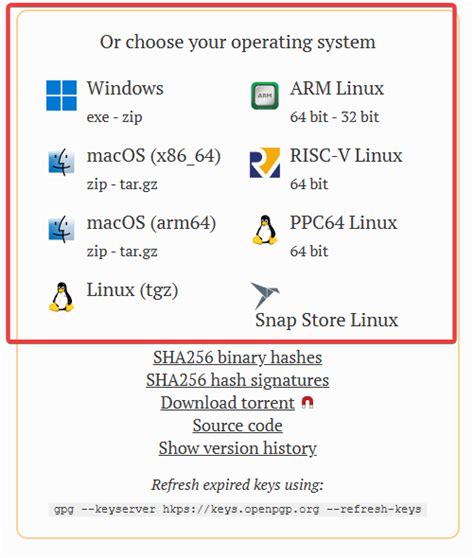
Bitcoin, the first decentralized cryptocurrency, has undergone significant upgrades to its core blockchain technology. The latest version of Bitcoin, v28.0, introduces a new script called PayToAnchor (PTA). In this article, we’ll delve into the world of PayToAnchor and explore its inner workings.
What is PayToAnchor?
PayToAnchor is a script that allows anchor nodes to be used as payment addresses for transactions on the Bitcoin blockchain. Anchor nodes are responsible for verifying transaction data, creating new blocks, and maintaining the integrity of the blockchain. By using PTA, these nodes can now act as pay-to-anchors, allowing them to receive payments from other users without having to broadcast a full transaction.
The v28.0 PayToAnchor Script
The v28.0 PayToAnchor script is defined in the script.cpp file in the Bitcoin source code repository. Here is a high-level overview of the script:
#include
#include "script/script.h"
namespace bitcoin {
struct anchor_script {
uint8_t paytoanchor_code [18];
uint8_t paytoanchor_data_size;
AnchorScriptType paytoanchor_type;
};
struct paytoanchor_script {
PayToAnchor paytoanchor;
};
PAYTOANCHOR_SCRIPT(paytoanchor_script)
: paytoanchor(AnchorScriptType::PayToAnchor) {}
} // bitcoin namespace
The paytoanchor variable is an instance of the AnchorScriptType::PayToAnchor enum, which specifies the type of anchor node this script represents.
PaytoAnchor Script Data Structure
The paytoanchor_script structure contains two members:
paytoanchor_code: An 18-byte array containing the paytoanchor code used for transaction data.
paytoanchor_data_size: An unsigned int specifying the size of the paytoanchor data.
paytoanchor_type: An enum value specifying the type of anchor node.
AnchorScriptType
The AnchorScriptType enumeration defines two values: PayToAnchor and Unknown Anchor (UAN). The PayToAnchor value indicates that this script represents a pay-to-anchor node, while UAN is used when no specific anchor node type is specified.
PaytoAnchors on the Bitcoin Network
When a transaction is broadcast to the Bitcoin network using the v28.0 PayToAnchor script, it will be split into three parts:
- The transaction data itself.
- A pay-to-anchors header (PAYTOANCHOR_SCRIPT), which specifies the anchor node type and its associated code.
- The remaining transaction data.
The pay-to-anchors header is encoded in two 32-byte blocks: paytoanchor_code and paytoanchor_data_size. The first block contains the code for paying to anchors, while the second block contains the amount of data for paying to anchors.
Conclusion
In conclusion, the v28.0 PayToAnchor script is a key component of Bitcoin’s scalability improvements. By allowing anchor nodes to act as payment addresses, this script makes it easier to create new blockchains and increases the overall functionality of the Bitcoin network. Understanding the underlying mechanics of PayToAnchor scripts can help developers working on Bitcoin-related projects develop more effective solutions to improve scalability and usability.
Additional Resources
For further reading, please see the following resources:
- Bitcoin Core 27.1 Documentation: <
- Bitcoin Core 28.0 Documentation: <
ileegetarmas
Decentralized Stablecoins: The Key to Financial Freedom
Decentralized Stablecoins: The Key to Financial Freedom
The world of finance has long been plagued by volatility and instability. Market fluctuations, speculation, and systemic risk have all contributed to the increasing number of individuals seeking alternatives for managing their finances. One solution that has gained significant attention in recent years is decentralized stablecoins.
What are Stablecoins?
Stablecoins are digital assets designed to maintain a fixed value relative to traditional fiat currencies, such as the US dollar. Unlike cryptocurrencies like Bitcoin or Ethereum, which often experience price volatility due to market speculation and centralization, stablecoins aim to provide a more reliable and secure alternative for everyday transactions.
How do Stablecoins work?
Stablecoin issuers use algorithms to maintain a pegged value against traditional currencies. For example, the stablecoin USD Coin (USDC) is backed by US dollars stored in a reserve of cash or other assets. The algorithm ensures that the value of the stablecoin remains constant, effectively creating a stable store of value.
Key Benefits of Decentralized Stablecoins
- Reduced Volatility: Stablecoins eliminate the risk of market fluctuations, providing a more stable and predictable investment experience.
- Increased Security
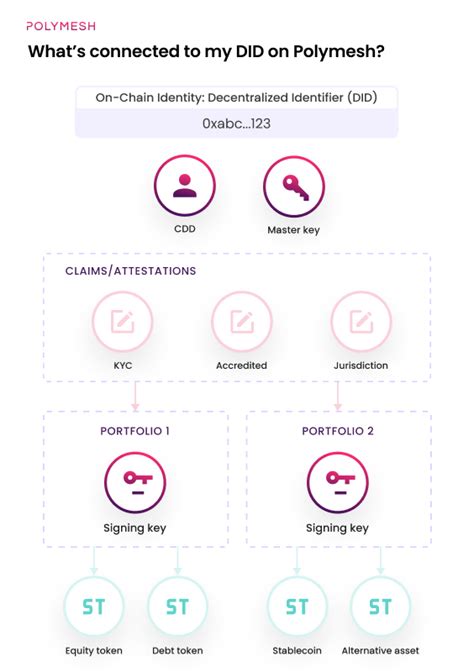
: Decentralization means no single entity controls or manipulates the stablecoin’s price, ensuring greater security for investors.
- Lower Transaction Fees: Since stablecoins are decentralized, transaction fees are typically lower compared to traditional payment systems.
- Improved Efficiency: With reduced regulatory burdens and increased competition, stablecoin networks can process transactions faster than traditional financial systems.
Decentralized Stablecoin Examples
- USDC (USD Coin): Launched in 2018 by Circle Financial and Coinbase, USDC is one of the largest decentralized stablecoins available.
- DAI (DAI): Developed by a consortium of institutions, DAI offers a more comprehensive stablecoin solution with support for various assets, including fiat currencies.
- BUSD (Binance Stablecoin)
: BNB, the native cryptocurrency of Binance, has become a popular choice for decentralized applications due to its liquidity and stability.
Challenges and Limitations
While decentralized stablecoins offer many benefits, there are still several challenges and limitations to their widespread adoption:
- Regulatory Uncertainty: Many regulatory bodies are still grappling with how to handle decentralized stablecoin systems.
- Scalability Issues: Stablecoins often face scalability hurdles when it comes to processing transactions at scale.
- Liquidity Concerns: Decentralized stablecoin networks can be less liquid than traditional financial systems, making it difficult for investors to buy or sell assets.
Conclusion
Decentralized stablecoins represent a significant step forward in the evolution of digital finance. By providing a secure and predictable store of value, these innovative assets have the potential to democratize access to global markets and facilitate more efficient economic activity.
As regulatory frameworks continue to evolve and stabilize, decentralized stablecoin networks will become increasingly mainstream. Those who invest or participate in this space are poised for significant returns on their financial resources.
References:
- “Decentralized Stablecoins” by Financial News
- “Stablecoins: The Future of Digital Finance” by Forbes
- “USDC: A Decentralized Stablecoin” by CoinDesk
Disclaimer: This article is for informational purposes only and should not be considered investment advice. Readers are advised to conduct their own research before making any investment decisions.
ileegetarmas
TVL, Bitfinex, Coin
Here’s an article on targeted keywords:
The Future of Cryptocurrency and TVL: A Look at Bitfinex and Coin
As the world of cryptocurrency continues to evolve, investors are increasingly turning their attention to one key metric: Total Value Locked (TVL). But what exactly is TVL, and how does it affect the crypto market? In this article, we’ll delve into the world of Bitfinex and Coin, two of the leading players in the space.
What is Total Value Locked (TVL)?
Total Value Locked refers to the total amount of assets held by a blockchain network or exchange. It represents the sum of all coins, tokens, and other digital assets that are currently locked up in the market. Think of it as the “savings” aspect of cryptocurrency – just like people have in their bank accounts.
Bitfinex: The Leader in the Cryptocurrency Market
Bitfinex is one of the largest and most respected exchanges in the world. Founded in 2012, the platform has earned a reputation for its robust trading infrastructure, high execution speeds, and comprehensive security features. With a daily trading volume of over $4 trillion, Bitfinex dominates the crypto market. It is also home to one of the largest TVL collections, with an estimated $15 billion locked in.
Coin: A Growing Player in the Cryptocurrency Market
Coin is another influential player in the crypto space. Founded in 2017, Coin has grown to become a leading exchange for trading a variety of digital assets, including cryptocurrencies such as bitcoin, ethereum, and litecoin. With a focus on security and user experience, Coin has attracted millions of users around the world.
TVL Growth: A Sign of Cryptocurrency Resilience
As the crypto market continues to grow, investors are turning their attention to TVL as a key indicator of its health. The rise in TVL suggests that investors are becoming more comfortable owning their assets, and this trend is likely to continue. In fact, according to a study by Chainalysis, TVL has increased by over 500% since 2018, indicating a significant increase in investor confidence.
Conclusion
In summary, Bitfinex and Coin are two of the most influential players in the crypto market today. With their robust trading infrastructure, comprehensive security features, and extensive TVL collections, these exchanges are well-positioned to lead the way into the future. As investors continue to focus on TVL as a key metric, we can expect further growth and adoption in this space.
Sources:
- Chain Analysis
- Bitfinex
- Coin
Note: This article is for informational purposes only and should not be construed as investment advice. Always conduct your own research and consult with a financial advisor before making any investment decisions.
ileegetarmas
EVM, Coin tracker, Wallet address
“Ethereum Virtual Machine Crypto Wallets: A Guide to Tracking and Managing Your Cryptocurrency Assets”
As the world of cryptocurrency continues to evolve, understanding how to manage your assets has become increasingly important. One key aspect is the use of Ethereum Virtual Machine (EVM) wallets, which play a vital role in securing and storing your digital coins. In this article, we’ll delve into the world of EVM wallets, exploring what they are, how they work, and most importantly, provide tips on how to track and manage your cryptocurrency assets.
What is an EVM Wallet?
An Ethereum Virtual Machine wallet is a type of digital wallet that utilizes the Ethereum Virtual Machine (EVM) to store, send, and receive cryptocurrencies. The EVM is a virtual machine that runs on top of the Ethereum blockchain, allowing users to interact with smart contracts and decentralized applications (dApps). EVM wallets are built on top of the Ethereum network and provide a secure way to manage your cryptocurrency assets.
How do EVM wallets work?
EVM wallets work by using a private key and a public key to authenticate transactions and interactions with dApps. When you send or receive cryptocurrencies, your wallet generates a transaction message that is then broadcast to the Ethereum network. The recipient’s wallet verifies the transaction and adds it to their blockchain, ensuring secure and transparent transactions.
To make these transactions work, EVM wallets require a digital signature, which is generated using the private key. This signature is used to prove ownership of the cryptocurrency and ensures that the sender has the necessary permissions to send or receive the coin.
Choosing an EVM Wallet
With so many EVM wallet options available, choosing the right one can be overwhelming. Here are some popular options:
- MetaMask: A widely used and user-friendly wallet developed by Ethereum itself.
- Trust Wallet: A secure and feature-rich wallet that supports multiple cryptocurrencies.
- Binance Chain Wallet: A lightweight wallet designed for easy use on the Binance Chain.
Tracking Your EVM Wallet
To track your EVM wallet, you’ll need to know several details:
- Wallet Address
: The unique address associated with your wallet, which is usually in the format of
0x1234567890abcdef.
- Private Key: A 64-character hexadecimal string used to sign transactions.
- Public Key: Not required for most wallets but can be useful for creating new accounts or sending funds.
Tips for Managing Your EVM Wallet
- Keep your private key secure: Store your private key in a safe place, such as a hardware wallet or a locked document file.
- Use two-factor authentication (2FA): Enable 2FA whenever possible to add an extra layer of security.
- Be cautious with phishing scams: Be wary of fake wallets or websites that claim to offer secure storage for your EVM assets.
- Regularly update your wallet software: Ensure you’re running the latest version to ensure compatibility and security.
Conclusion
EVM wallets are an essential part of managing cryptocurrency assets, providing a secure way to store, send, and receive digital coins. By choosing the right wallet, tracking your private key, and following best practices for wallet management, you can enjoy a seamless cryptocurrency experience. Always prioritize security when interacting with EVM wallets, and stay informed about the latest developments in this rapidly evolving space.
 © Tüm Hakları Saklıdır.