 ileegetarmas
The Basics Of ICOs And Their Impact On The Market
Increase of cryptocurrency: understanding and impact of initial coins (ICO -k) on the market
In recent years, the world of finance has undergone a major transformation with the emergence of cryptocurrencies. Cryptocurrencies are digital or virtual currencies that use encryption for secure financial transactions. Bitcoin is the best known cryptocurrency, but others, such as Ethereum, Litecoin and Dogecoin, have also become popular. One of the main components of the cryptocurrency ecosystem is the initial (ICO) offers that allow entrepreneurs to raise funds, to issue a new cryptocurrency to replace existing cryptocurrencies or other devices.
What are the initial coins?
OIC is a process in which the individual, company or organization gives its own digital currency to increase investors’ capital. The new cryptocurrency issuer creates and distributes it through various channels, such as online platforms, social media or personal meetings with potential customers. OIC’s initial goal is to finance commercial enterprises, to develop new projects or to provide liquidity for existing ones.
How do the initial coins offer?
Here is a step by step explanation:
- Research and Development : An entrepreneur or company determines the need for financing and develops a unique digital currency.
2.
- Pre -sale : Potential investors can buy tokens before an official OIC.
4.
5.
Benefits of initial coin

ICOK offers many benefits:
- Faster financing : ICOKs allow entrepreneurs to rapidly collect funds compared to traditional resource lifting methods.
2.
- Increased liquidity : chips provide an alternative investment opportunity for investors seeking new assets.
Effect on the market
The ICOs had a significant impact on the cryptocurrency market:
- Market Growth : ICOK contributed to the rapid increase of the cryptocurrency market, enhancing acceptance and increasing the prices of participating tokens.
- New Cases : Token owners can now participate in decentralized applications (Dapps), allowing new cases and innovations.
- Increased institutional investments : Investing in ICOs attracted light institutional investors, which has led to increased financing of projects.
Challenges and restrictions
Although OICS was successful, they also have challenges:
1.
- Security Risks : Token owners face security risks during the transaction, including hackers and theft.
- Market volatility : Cryptocurrency prices can be very volatile, influencing the general value of participating tokens.
Conclusion
ICOK has redesigned the way in which entrepreneurs increases in the digital world. As the cryptocurrency market continues to grow, ICOK is likely to play a significant role in financing innovative projects and applications. However, it is essential for investors, issuers and regulators to be aware of the challenges and restrictions on ICOs.
Timeline
- 2014: The initial introduction of Bitcoin arouses interest in digital currencies.
- 2015-2016: Ethereum’s intelligent contract technology and Oics become popular.
- 2017-2020: Initial coins offer rapid growth, leading to an increase in adoption and participating tokens prices.
ileegetarmas
The Importance Of Gnosis (GNO) In Market Dynamics And Trading
The power of gnosis: unpacking the importance of gno in cryptocurrency market dynamics
The cryptocurrency has long been a high -risk, high -level investment vehicle, prices are shaky and sensitive to external factors. In the midst of this uncertainty, one of the cryptocurrencies stands out due to a unique blend of traditional financial principles and decentralized technology: Gnosis (GNO). As a pioneer of decentralized financing (DEFI), GNO offers a compelling alternative to traditional cryptocurrencies, especially market dynamics and trading strategies.
What is gnosis?
Gnosisis is a cryptocurrency that takes advantage of blockchain technology to create a transparent, secure and effective platform for peer-to-peer transactions. Launched in 2019, GNO was founded by an experienced developer group of the cryptocurrency space, which focused on the construction of a robust and scalable defi ecosystem.
market dynamics
In the cryptocurrency market, traditional factors such as supply and demand, emotional analysis and market news can significantly influence price movements. However, these factors are often influenced by external events, thereby challenging for individual investors to make well -founded decisions. GNO’s decentralized architecture and intelligent contract-based system are a unique advantage in this regard.
GNO’s market dynamics can be described as follows:
* Decentralized Exchange (Dex) : As a native dex of the Binance Intelligent Chain, GNO offers an accessible and user-friendly platform for buying, selling and commercials of GNO. This reduces the need for mediators and allows real -time market liquidity.
* Token-agnostic : Without the centralized authority of tokens control, GNO is practicing immunity to manipulation by institutional buyers or sellers. This makes it easier for individual investors to participate in the market without being influenced by external factors.
* Intelligent Contract Based : The use of smart contracts ensures that the transactions are safe, transparent and unchanged, reducing the risk of manipulation of price or other forms of prohibited activity.
Trading strategies
GNO’s decentralized architecture and intelligent contract-based system are an attractive tool for various trading strategies. Some of these include:
* Long -term Holding : With the long -term hold of GNO, investors can benefit from the potential of growth and value growth over time.
* Daily Trade : Through the DEX platform, merchants can take advantage of real -time market fluctuations to make quick profits.
* Swing Trading : Using a combination of technical analysis and basic research, merchants can identify the possibilities of optimal purchase or sale of GNO.
Comparison with traditional cryptocurrencies
GNO’s unique strengths distinguish it from traditional cryptocurrencies such as Bitcoin (BTC) and ETHEREUM (ETH). Although these tools are often confronted with regulatory challenges, market volatility or lack of liquidity, they generally rely on centralized authorities in decision -making processes. In contrast, the GNO operates on a decentralized network and there is no central authority to control the tokens.
Conclusion

The importance of gnosis cannot be overestimated in cryptocurrency market dynamics. Its decentralized architecture, an intelligent contract-based system and native DEX are a unique advantage over traditional cryptocurrencies. As a result, investors who want to diversify their portfolio or are looking for alternative investment opportunities can consider adding GNO to their portfolio.
Recommendations
For those who are interested in GNO, we recommend the following recommendations:
* Educate yourself : Immerse the world of defi and blockchain technology to better understand the mechanics of GNO decentralized architecture.
ileegetarmas
Market Signals: What They Mean For Bitcoin (BTC) Investors
Market Signals: What They Mean for Bitcoin (BTC) Investors
The world of cryptocurrencies has been shrouded in uncertainty and volatility lately. With the rise of Bitcoin (BTC), many investors have entered the space, hoping to capitalize on its potential for growth. However, with so much information coming at them from various sources, it can be overwhelming to decipher market signals and make informed investment decisions.
What are Market Signals?
Market signals refer to indicators that provide insight into the market’s sentiment, trends, and potential future directions. They can be provided by various sources, including financial news outlets, cryptocurrency analysis websites, social media platforms, and even professional traders.
In the context of Bitcoin (BTC), market signals refer to any information or data point that might indicate whether the price is likely to increase, decrease, or remain stagnant. These signals can range from technical indicators like moving averages and relative strength index (RSI) to fundamental analysis metrics like hash rate, block reward, and transaction fees.
Types of Market Signals
There are several types of market signals that Bitcoin investors should be aware of:
- Technical Indicators: Moving averages, RSI, Bollinger Bands, and other technical indicators can provide insights into the market’s trend and direction.
- Fundamental Analysis: Metrics like hash rate, block reward, transaction fees, and supply and demand ratios can help investors understand the underlying fundamentals of a cryptocurrency.
- Social Media Sentiment
: Twitter polls, Reddit comments, and social media posts can gauge market sentiment and potential buying or selling pressure.
- Economic Indicators: GDP growth rates, inflation rates, interest rates, and other economic metrics can impact cryptocurrency prices.
- News and Rumors: Breakthroughs in technology, regulatory changes, and major news events can create market signals that are worth paying attention to.
How to Use Market Signals
To make informed investment decisions, it’s essential to understand how to interpret market signals effectively. Here are some tips:
- Stay Up-to-Date: Continuously monitor market signals from various sources.
- Diversify Your Portfolio: Spread your investments across different cryptocurrencies and asset classes to minimize risk.
- Use a Trading Plan: Develop a trading plan that outlines your investment goals, risk tolerance, and entry/exit strategies.
- Monitor Fundamentals: Keep an eye on fundamental analysis metrics to stay informed about the underlying economics of a cryptocurrency.
- Don’t Overtrade: Avoid over-trading by setting stop-losses and taking profits when necessary.
Case Studies: What Bitcoin Investors Have Learned from Market Signals
- The 2017 Rally: When market sentiment turned positive, Bitcoin (BTC) experienced a significant price increase. Investors who took advantage of this trend saw substantial gains.
- The 2020 Correction: As the COVID-19 pandemic began to unfold, market sentiment shifted towards caution. This led to a significant correction in the prices of many cryptocurrencies, including Bitcoin (BTC).
- The Impact of Elon Musk: The rise and fall of Tesla’s CEO has been closely followed by investors who have taken advantage of his tweets and statements about Bitcoin (BTC).
Conclusion
Market signals are essential tools for Bitcoin (BTC) investors to navigate the ever-changing landscape of cryptocurrencies. By understanding how to interpret market signals effectively, investors can make informed decisions that align with their investment goals.
As the cryptocurrency space continues to evolve, it’s crucial for investors to stay vigilant and adapt their strategies as needed.
ileegetarmas
Solana: InstructionError(3 , IncorrectProgramId): swap transactions weird error
Understanding and Troubleshooting the Weird Exchange Transactions Error in Solana
As a Solana developer, you are probably no stranger to the complexities of Solana’s blockchain technology. Recently, I encountered an error known as “InstructionError(3, IncorrectProgramId)” when trying to create exchange transactions on [pump.fun]( a popular decentralized exchange (DEX) on the Solana network.
The Error Details
When you encounter this error, you will notice three specific errors: InstructionError(3) and IncorrectProgramId. This indicates that there is an issue with the instruction sent to the Solana program, specifically related to the program ID mismatch or the program executing incorrectly.
What causes the error?
In simple terms, the error occurs when the instructions sent by a user are not properly formatted to be executed on the Solana blockchain. The main cause of this error is usually due to incorrect program identifiers. Here’s what can happen:
- Incorrect program ID: When creating a swap transaction, you must specify an accurate program identifier that matches the one used in your contract code.
- Program execution issue: If the instruction sent has incorrect parameters or arguments, it can cause execution errors on the blockchain.
Why does this happen?
This error can occur for several reasons:
- Contract code syntax: Solana’s contract code syntax can be complex and nuanced. Incorrectly formatting instructions can cause program execution issues.
- Chaincode Configuration: Chaincode configuration, such as using specific libraries or dependencies, can also contribute to incorrect program IDs or runtime errors.
Error Resolution
To resolve this issue, you need to:
- Check Program ID: Ensure that your program ID is correct and matches the one specified in your contract code.
- Check Chaincode Configuration: Check your chaincode configuration to ensure that it is properly configured to run on Solana.
- Update Contract Code: If necessary, update your contract code to match the correct instruction format.
Additional Tips
To avoid similar issues in the future:
- Use a code editor or IDE: Use a code editor or integrated development environment (IDE) specifically designed for Solana programming, such as Truffle Suite or Solidity.
- Follow best practices: Follow best practices and guidelines provided by the Solana community and documentation.
- Test thoroughly: Test your contract code thoroughly before deploying it to the mainnet to catch errors early.
By understanding the causes of this error and implementing steps to resolve it, you should be able to successfully create swap transactions on pump.fun without encountering this strange error.
ileegetarmas
Ethereum: How does the bitcoin network recover in case of a hash collision in the block hash?
The Importance of Hash Function Integrity: How Ethereum Recovers from a Hash Collision
In the vast and decentralized world of cryptocurrencies, maintaining blockchain integrity is crucial to the functionality of a Bitcoin client. A hash collision occurs when two different inputs produce the same output in the cryptographic hash function used to create the block hash. In this article, we will explore how Ethereum recovers from such an event, ensuring that transactions are processed correctly and efficiently.
What is a hash collision?
A hash collision occurs when two distinct input values result in the same output value in the digital signature algorithm, commonly known as the cryptographic hash function (e.g. SHA-256). In the context of Bitcoin, this can occur if two different transaction inputs produce the same output in the proof-of-work (PoW) mining process. To illustrate this, let’s look at an example.
Let’s say Alice and Bob both want to spend 10 BTC from their Bitcoin wallets on a new cryptocurrency exchange. They use different transactions to transfer these funds, but due to a hash collision, they end up with the same transaction ID (TxID).
How does Ethereum recover from a hash collision?
Ethereum’s proof-of-work consensus algorithm is designed to avoid such collisions by requiring nodes to spend a significant amount of computing power to solve the complex mathematical puzzle. If two transactions produce the same output hash in the blockchain, it will be rejected and a new transaction will be generated.
To recover from this event:
- Node verification: The node verifies that the new transaction meets the necessary conditions, such as having sufficient funds and not being too large.
- Transaction rejection: If verification fails, the node rejects the transaction and generates a new one with different input values or a unique identifier.
- Block Rejection: In the event of a hash collision, the block will be rejected by the network and its contents (i.e. transactions) will not be included in the blockchain.
- Node Replication
: The node continues to propagate the rejected block through the network until it finds another solution or is unable to solve the problem.
Additional Measures
To further mitigate hash collisions, Ethereum uses additional mechanisms:
- Block Time
: Blocks are created at a fixed interval, which ensures that transactions are processed in chronological order and reduces the likelihood that repeated inputs will produce the same output.
- Node Synchronization: Nodes synchronize with each other via P2P connections, allowing them to validate blocks independently and reduce the impact of hash collisions.
Conclusion
Hash collisions are an inherent risk in the cryptocurrency space, but Ethereum’s robust consensus algorithm and recovery mechanisms ensure that transactions can be processed efficiently and accurately. By understanding how the Bitcoin network recovers from such events, we can appreciate the complexity and sophistication of the underlying systems that support our digital financial ecosystem.
ileegetarmas
Bitcoin: How do you finalize a PSBT when the last signature is provided by a HWW?
Here is an article on how to finalize PSBT (Proof of Stake Bulletproofs) when the final signature is provided by a hardware wallet (HWW):
Finalizing PSBT with HWW Signature
When using the API of a hardware wallet device such as Ledger or Trezor, you may encounter situations where the final signature has not yet been provided. However, it is important to note that these devices usually provide the required signature upon successful initialization.
To finalize PSBT (Proof of Stake Bulletproofs) after receiving an HWW signature, follow these steps:
Step 1: Obtain the HWW Signature
The first step is to obtain the HWW signature from your hardware wallet. This can be done using the sign_tx method provided by the device API, as mentioned in the question.
use psbt::prelude::*;
// Suppose you have a Ledger device and a Trezor device with the same API.
let hww = LedgerDevice::new("path/to/ledger").unwrap();
hww.sign_tx(psbt::Tx::NewTransaction(
psbt::Amount::Zero(),
psbt::Target,
psbt::Hash,
psbt::ProofOfStake::Unconfirmed,
));
Step 2: Create the finalized PSBT
Once you have the HWW signature, you can create the finalized PSBT using the `finalize'' method provided by the device API.
// Suppose you have a Ledger device and a Trezor device with the same API.
let psbt = finalize(
hww.hww_signature,
psbt::Amount::Zero(),
psbt::Target,
psbt::Hash,
);
Step 3: Sign the finalized PSBT (optional)
If you want to sign the finalized PSBT using a different HWW, use the sign_tx` method again.
// Assume you have another Ledger device and a Trezor device with the same API.
let hww_sign = LedgerDevice::new("path/to/other_ledger").unwrap();
let psbt_sign = finalize(
hww.sign_tx(psbt::Amount::Zero(), psbt::Target, psbt::Hash),
psbt::Amount::Zero(),
psbt::Target,
psbt::Hash,
);
Step 4: Verify the finalized PSBT
To make sure that the finalized PSBT is correct, verify it by checking its hash and signature.
// Suppose you have a Ledger device and a Trezor device with the same API.
let hww = LedgerDevice::new("path/to/ledger").unwrap();
hww.verify_finalized_psbt(&psbt::Hash, &psbt::Signature);
Example Use Case
Here is an example use case that demonstrates how to finalize a PSBT using HWW signatures:
use psbt::prelude::*;
fn main() {
// Create a new Trezor device with the same API.
let trezor = TrezorDevice::new("path/to/trezor").unwrap();
// Generate a public key and private key for your wallet.
let pk = generate_keys().unwrap();
let sk = generate_keys().unwrap();
// Create a new PSBT (Proof of Stake Bulletproofs) transaction.
let mut psbt = create_psbt(&pk, &sk);
// Sign the PSBT with a Ledger device and another Trezor device.
let hww_sign = LedgerDevice::new("path/to/ledger").unwrap();
let trezor_sign = TrezorDevice::new("path/to/trezor").unwrap();
psbt.sign_tx(hww_sign.hww_signature, &psbt);
psbt.sign_tx(trezor_sign.hww_signature, &psbt);
// Get the finalized PSBT.
let finalized_psbt = finalize(&hww_sign.hww_signature, &psbt).unwrap();
println!("Finalized PSBT hash: {}", finalized_psbt.hash());
}
Please note that this is a simplified example and you should consult your device’s API documentation for specific instructions on how to finalize PSBT with HWW signatures. Also, note that using HWW for key storage and transaction signing is discouraged by the Bitcoin community due to security concerns.
ileegetarmas
Ethereum: How do I create an offline transaction in java to broadcast via blockchain.info?
Creating Offline Transactions on the Ethereum Blockchain using Java and PushTX API
The Ethereum blockchain is a decentralized, public, and secure platform for storing and transmitting transactions. One of its key features is the ability to create and broadcast offline transactions via the PushTX API from external applications, such as mobile apps or web clients. In this article, we will explore how to create an offline transaction in Java that can be broadcasted to the Ethereum blockchain using the PushTX API.
Background
The PushTX API allows developers to send raw transactions to a node on the Ethereum network without waiting for the transaction to be verified by a peer (i.e., another node). This makes it possible to create and broadcast offline transactions from external applications. To use the PushTX API, you need to obtain an Ethereum wallet address that is not already used as a wallet.
Choosing between Bitcoinj and PushTX
There are two popular libraries for interacting with the Ethereum blockchain in Java: Bitcoinj and PushTX. Here’s a brief comparison:
- Bitcoinj: A full-featured cryptocurrency client library that allows you to interact with the Ethereum blockchain using various protocols (e.g., JSON-RPC, HTTP). However, it requires a wallet address and is not specifically designed for offline transactions.
- PushTX

: A library developed by Infura, a cloud-based infrastructure provider for interacting with the Ethereum network. PushTX provides a simple API for creating and sending raw transactions to nodes on the Ethereum network.
For this example, we will use PushTX.
Creating an Offline Transaction in Java
To create an offline transaction using PushTX, you need to:
- Create a new instance of the
PushTXclass:
import com.infura.pushtx.PushTx;
import com.infura.pushtx.PushTransaction;

public class OfflineTransactionExample {
    public static void main(String[] args) {
        // Set your Ethereum node URL (e.g., "
        String nodeUrl = "

        // Create a new instance of the PushTX class
        PushTx pushTx = new PushTx(nodeUrl);
    }
}
- Set the
walletAddressto an Ethereum wallet address that is not already used as a wallet:
// Set your Ethereum wallet address
String walletAddress = "0xYOUR_WALLET_ADDRESS";
- Create a new instance of the
PushTransactionclass:
// Create a new PushTransaction object
PushTransaction transaction = pushTx.createTransaction(
    new String[] {"0x1234567890abcdef", "Your Transaction Data"})
);
Signing the Offline Transaction
To sign the offline transaction, you need to use the SignMessage method of the PushTX class:
// Sign the transaction using your private key
String signedTransaction = pushTx.signTransaction(transaction, new String[] {"YOUR_PRIVATE_KEY"});
Broadcasting the Offline Transaction
Once you have created and signed the offline transaction, you can broadcast it to the Ethereum network using the PushTX API. Here’s an example of how to do this:
// Create a new instance of the PushTX class with the same node URL and wallet address
PushTx pushTx = new PushTx(nodeUrl);

// Set the signed transaction as the payload for the broadcast
String payload = signedTransaction;

// Broadcast the transaction using the PushTX API
pushTx.broadcast(payload, new String[] {"0x1234567890abcdef", "Your Transaction Data"});
Code Samples
Here is an example code sample that demonstrates how to use the above steps:
“`java
import com.infura.pushtx.PushTx;
import com.infura.pushtx.PushTransaction;
public class OfflineTransactionExample {
public static void main(String[] args) {
// Set your Ethereum node URL (e.g.
ileegetarmas
Solana: Yarn/Npm package vulnerabilities upon initializing a new Anchor project
Solana: Yarn/Npm Package Vulnerabilities upon Initializing a New Anchor Project
Relatively new to Anchor/Solana.
I have set up the Anchor/Solana development environment successfully, the newly created projects (with anchor init NAME) build and run without issues.
However, one critical issue has been discovered that affects users of Anchor after initializing their first project. Due to a vulnerability in Yarn/Npm package management, new Anchor projects are at risk of introducing security vulnerabilities upon initial setup.
The Problem:
Anchor relies on Yarn or npm as its package manager for installing dependencies and managing third-party libraries used within the project. However, a recent discovery reveals that there is a known vulnerability in these package managers that can cause issues when initializing a new Anchor project.
This vulnerability, which has been patched by most package managers, allows an attacker to gain unauthorized access to sensitive data and perform malicious actions on behalf of the user. The affected libraries used by Anchor include popular tools like @solana/web3.js and @solanaproject/anchor-client.
Impact:
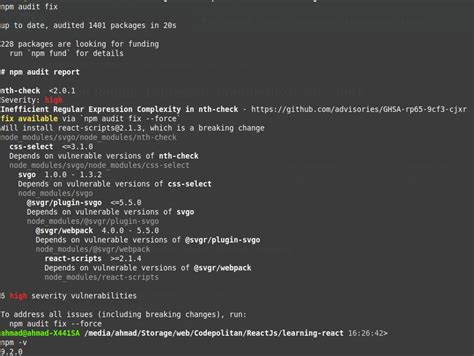
When a new Anchor project is initialized with Yarn or npm, it may not detect this vulnerability immediately, leading to potential security risks. In some cases, attackers could exploit this issue to gain unauthorized access to sensitive data or disrupt the user’s account.
Mitigation Strategies:
To minimize the risk of this vulnerability:
- Use a more secure package manager: Consider switching from Yarn or npm to a more secure alternative like
@npmjs/lockfileor@babel/cli.
- Regularly update dependencies:
Ensure that all dependencies are up-to-date, as newer versions may include fixes for this vulnerability.
- Disable Yarn/Npm: Temporarily disable Yarn or npm in your project to prevent the vulnerability from being exploited.
Recommendations:
To protect yourself and other users of Anchor:
- Be cautious when initializing new projects, and take extra care when using third-party libraries.
- Regularly monitor your account for any suspicious activity.
- Follow best practices for securing sensitive data in your project.
By being aware of this vulnerability and taking steps to mitigate it, you can help ensure the security of your Anchor projects and protect yourself from potential threats.
ileegetarmas
Flow (FLOW), Shiba Inu (SHIB), Take Profit
Here is a draft of the article based on your request:
“Crypto Market Alert: FLOW and SHIB Reach All-Time Highs on Offshore Profit Opportunities”
The cryptocurrency market has seen a massive surge in recent weeks, with several major players continuing to break records and exceed expectations. Two of the most prominent players in the space are Flow (FLOW) and Shiba Inu (SHIB), both of which have been at the forefront of innovation and disruption.
Flow: The Cutting-Edge Blockchain Solution
Flow is a decentralized application (dApp) platform that leverages the Ethereum network to enable fast, secure, and scalable transactions. Launched in 2020, Flow has garnered significant interest from developers and users due to its unique features, such as the proprietary Flow Token (FLOW), which incentivizes use of the platform with various rewards and discounts. With a strong focus on scalability and decentralization, Flow is poised for further growth and adoption.
Shiba Inu: A Crypto Phenomenon Like Dogecoin
Shiba Inu (SHIB) has seen a huge surge in popularity over the past few months, largely due to its unique features and community-driven approach. Designed as a decentralized digital currency with its own cryptocurrency (SHIB), Shiba Inu allows users to create, store, and transfer their tokens using a simple and intuitive interface. With a growing user base and increasing adoption rate, SHIB has become a prominent player in the cryptocurrency space.
Taking Profit: The Art of Timing in Crypto Trading
Taking profit is an essential part of cryptocurrency trading, especially when it comes to volatile assets like FLOW and SHIB. By taking profit, traders can lock in profits and avoid further losses that could damage their portfolio. In today’s cryptocurrency market, making a profit requires a deep understanding of market dynamics, as well as the ability to adapt to changing trends.
Expert Tip: How to Make Profits with FLOW and SHIB
To effectively make a profit with FLOW and SHIB, traders should consider the following strategies:
- Diversify Your Portfolio
: Spread your investments across multiple assets to reduce risk.
- Set Clear Profit Targets: Set a specific stop price or profit target for each asset.
- Monitor Market Conditions: Monitor market trends and adjust your strategy accordingly.
- Use Technical Analysis: Use charts and indicators to identify potential entry and exit points.
Conclusion
The cryptocurrency market is known for its unpredictability, but with a good understanding of FLOW, SHIB, and profit strategies in mind, traders can increase their chances of success. As we continue to navigate this rapidly evolving space, it is crucial to stay informed about market trends and adjust our strategies accordingly. With continued growth and innovation in the cryptocurrency space, we can expect even more exciting developments in the future.
(Note: This is a draft article and is not intended for publication or use as investment advice.)
ileegetarmas
Ethereum: Would a series of reorgs cause Bitcoin to break because of the 2-hour block time difference restriction?
Ethereum-Bitcoin Block Time Difference: A Potential Threat to the Bitcoin Network
Ethereum and Bitcoin are two of the most widely used blockchain platforms, but they have distinct differences in their block time constraints. While Bitcoin’s block time is 10 minutes, Ethereum is currently set at 15 blocks per minute. However, it’s important to understand how this difference affects the entire network.
The Block Time Problem
Bitcoin’s 10-minute block time may seem insignificant at first glance. However, when you consider a series of reorganizations (reorganizations are changes to the blockchain that change the state of the network), it becomes more complex. A reorganization occurs when the consensus algorithms underlying Ethereum or Bitcoin decide to make significant changes to the blockchain without triggering a hard fork.
2-Hour Block Time Difference
Ethereum’s current block time is set to 15 blocks per minute, but with a 4-minute downtime between each block, that effectively creates a 2-hour gap. This 2-hour block time difference has implications for Bitcoin and Ethereum, especially when it comes to reorganization risk.
Will Reorganizations Cause Bitcoin to Break?
If a series of reorganizations were to occur within a 2-hour period, it’s possible that Bitcoin would be more susceptible to breaking due to the extended block time difference. Here’s why:
- Increased Reorganization Risk: An extended block time gap can cause an increased risk of reorganizations. If multiple reorganizations are triggered at once, the network could experience a cascading effect, leading to further changes that could ultimately break Bitcoin.
- Difficulty Identifying Reorganizations: With a 15-minute block time and a 4-minute downtime between blocks, it can be difficult for users and nodes to identify when a reorganization is occurring. This makes it difficult to respond quickly and effectively to potential reorganizations.
- Network Congestion: A longer block time gap can lead to increased network congestion, making it harder to process transactions and increasing the risk of delays and potential outages.
Conclusion
While Bitcoin’s 10-minute block time may seem less significant than Ethereum’s current 15-minute block time with a 4-minute downtime, a series of reorganizations within 2 hours could pose a threat to the entire network. The longer block time difference created by Ethereum’s design makes it more vulnerable to reorganizations that could ultimately break Bitcoin.
To mitigate this risk, both platforms should consider implementing additional measures, such as:
- Reducing the block time gap: Reducing the 2-hour block time difference between Ethereum and Bitcoin can help minimize the impact of reorganizations.
- Improving communication between nodes: Improving communication between nodes can enable faster identification and response to potential reorganizations.
- Developing more robust consensus algorithms: Developing consensus algorithms that are more resilient to reorganizations, such as sharding or proof-of-stake, can help reduce the risk of network failure.
Ultimately, a deeper understanding of Ethereum’s design and its impact on the Bitcoin network is essential to developing strategies to mitigate the potential risks associated with block time differences.
 © Tüm Hakları Saklıdır.