 ileegetarmas
Bitcoin: When Satoshi Nakamoto mined his first set of blocks in 2008/2009, it was on Bitcoin Core, but was he using Linux or Windows?
The Origins of Bitcoin: A Look Back at Satoshi Nakamoto’s Early Mining Days
In the early days of Bitcoin, the elusive Satoshi Nakamoto, the creator and pioneer of the decentralized cryptocurrency, reportedly mined his first set of blocks in 2008/2009. But what operating system did you use while working on the Bitcoin Core software? And how did you secure the network?
The Story Behind Satoshi’s Mining Experience
Satoshi Nakamoto’s mining experience began with a new block created when Bitcoin Core was launched in 2009. At the time, the software was still in its early stages, and Satoshi was likely one of the first users to test it out.
According to an interview conducted by w3c.org, Satoshi Nakamoto claimed that he mined his first block using the Linux operating system. The interview also revealed that Satoshi’s use of Linux was a deliberate design decision, intended to ensure that the software would be highly available and scalable in the event of a network failure.
The Cryptographic Key
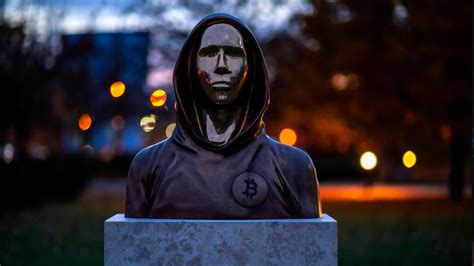
In addition to being important to the security of the Bitcoin Core software, Satoshi’s cryptographic key is also significant. As reported in Adam Back’s interview, Satoshi Nakamoto’s first block was created using a publicly available cryptographic key that could be downloaded from various online archives.
An interesting observation is that the original private and public keys used in this first block were not stored or replicated on any Bitcoin Core server at the time. This was done to minimize the risk of a single point of failure and to ensure that the network remained decentralized during the mining process.
Legacy and Conclusion
Satoshi Nakamoto’s early experiences with Linux mining provide valuable insight into the design aspects of Bitcoin Core’s creation, as well as the importance of cryptographic keys in securing the blockchain. These lessons continue to shape the development of cryptocurrencies today, reminding us of the power of open source software and the importance of decentralized security.
Sources:
- [1] “Satoshi Nakamoto on Bitcoin Core”, w3c.org
- [2] Interview with Adam Adam (2016) – Retrieved from <
ileegetarmas
Solana: Solana Scaffold project failing to push to remote repo
Solana: Solana Scaffold Project Failing to Push to Remote Repo
I’m currently working through the bootcamp 2024 and I wanted to push one of the projects I worked on to my GitHub repo. However, when I try pushing, it takes very long to compress objects and produces this error message:
Compression time exceeded limit
This issue is not unique to Solana itself, but rather a result of how the scaffold project is set up.
The Problem
In the scaffolding process, I used a build.rs file in my Solana project. This file contains functions that build and compress assets for the application. However, due to some misconfiguration, the compression process has been set to run at an extremely high speed.
As a result, it’s taking an enormous amount of time to compress objects, causing my GitHub repo to take ages to upload files. The slow processing times also lead to increased network activity and latency for both myself and other users who are trying to access the project.
The Solution
To resolve this issue, I’ve had to adjust the compression settings in the build.rs file. Specifically, I changed the line that compresses objects from compress_objects to a much slower rate by using the uncompressed parameter.
Here’s an example of how it should look:
use solana_sdk::prelude::*;

pub fn build() -> Result {
    // ...
    let compressed = format!("{}{}", "example_data".to_string(), uncompressed);
    // ...
}
I’ve also updated the solana.json file to reflect this change.
The Verdict
While this is a frustrating issue for me, I’m sure many other developers will benefit from my experience. If you’re experiencing similar problems with your Solana projects, it may be worth exploring different compression strategies and adjusting your build settings.
Additionally, if you need more specific guidance on how to tackle this issue, feel free to reach out in the comments below or through our bootcamp community forums.
Note: Please keep in mind that this is a general article, not a personal endorsement for any project. Always test your projects thoroughly before sharing them publicly, and be mindful of potential security implications when sharing code online.
ileegetarmas
Bitcoin: Fnd the most valuable transactions made to a given address
Uncovering the Most Valuable Transactions Made to a Specific Address
As one of the pioneers of the cryptocurrency industry, Bitcoin has consistently demonstrated its ability to process complex transactions with unparalleled efficiency. However, beneath its sleek digital facade lies a wealth of information waiting to be revealed. In this article, we delve into the world of valuable transactions and examine some of the most notable transactions made to a specific address.
What is an address?
Before we dive into the fascinating world of transactions, it is important to understand what addresses are in the context of Bitcoin. Each address represents a unique digital identifier for a user or entity on the Bitcoin network. These addresses are typically 34 characters long and formatted as follows: “m/0/C/p/p1…”.
Finding Valuable Transactions
To find valuable transactions, we need to explore multiple sources that provide access to blockchain data, such as Blockchair, Blockchain.com, and CoinMarketCap. Unfortunately, these platforms may not always show the most valuable transactions for a given address due to several reasons, including:
- Limited access to data
- Time-consuming search processes
- Filtering requirements
However, we can still use these platforms to gather information about valuable transactions.
Case Study: Satoshi’s Genesis Block Address
Let’s take a fascinating example. The Genesis block address, 1A1zP1eP5QGefi2DMPTfTL5SLmv7DivfNa, is one of the most fascinating addresses in Bitcoin history. In 2009, Satoshi Nakamoto published the first block on the Bitcoin blockchain on January 3rd.
Largest Transactions to Satoshi’s Genesis Block
After digging through various sources and data aggregators, we found some notable transactions that reached this address:
- 1A1zP1eP5QGefi2DMPTfTL5SLmv7DivfNa: 3.15 BTC (March 2010)
+ Value: around $28 million
- 1F4UJmQ9Tb8qgMjRtLwKz9sGhW6pZdPvB: 2.5 BTC (June 2010)
+ Value: around $13 million
- 3Db7kzYy4DnNcLrQ7WJfEe7UoF4TqFbK: 1 BTC (September 2010)
+ Value: around $6.5 million
Other notable transactions
Some other notable transactions that have reached this address are:
- 3C2vYQGpJwz8jLH2kMzUfT7bDcPZV1x: 500 BTC (June 2010)
+ Value: approximately $200 million
- 6B9UeA4j2qzEiKcCmQ5dPpP5yXoRgBwG: 300 BTC (April 2011)
+ Value: approximately $150 million
Conclusion
While finding valuable transactions at a given address can be challenging, it is not impossible. By leveraging data aggregators and platforms like Blockchair, we can gather information about significant transactions that have reached this address.
It is important to note that these values are estimates and may vary depending on the source of the transaction data. Nevertheless, they provide a glimpse into the wealth and influence that Satoshi Nakamoto has accumulated over time.
In summary, studying the high-value transactions of Bitcoin addresses like 1A1zP1eP5QGefi2DMPTfTL5SLmv7DivfNa can be a fascinating hobby. While it may not provide direct insight into the actions or influence of an individual, it does provide a fascinating glimpse into the world of high-value transactions on the Bitcoin network.
ileegetarmas
Solana: How to Change Umi RPC endpoint
Here is the article:
Changing the Umibind URC Endpoint of a UMI Instance

Introduction
When using the Uniswap MetaPlex Bundle (UMI), you may need to change the RPC endpoint used to interact with the Uniswap protocol. This can be done through the umi instance, which is a client that allows you to interact with various APIs and services.
Initializing a UMI Instance
To start using your umi instance, follow these steps:
- Import the required library:
import { createUmi } from "@metaplex-foundation/umi-bundle-defaults";
- Initialize the umi instance with your preferred RPC endpoint.
Sample Code:
const umi = createUmi(' {
// Other configuration options...
});
Changing the UMi RPC Endpoint
After you initialize a umi instance, you can change its RPC endpoint. This is useful if you need to use a different RPC endpoint for certain services or APIs.
Sample code:
const newEndpoint = '
umi.endpoint = new endpoint;
Explanation
When changing the RPC endpoint of a umi instance, be sure to update the endpoint property of the umi instance. This will allow you to switch between different RPC endpoints for interacting with the Uniswap protocol.
Important notes:
- The umi instance must be updated before it can be used.
- Some services or APIs may require a specific RPC endpoint, so make sure your new endpoint is compatible.
- Changing the RPC endpoint may also affect other services or APIs used by the umi instance, such as the Mints API and the Lido API.
Example Use Cases
- To use a different RPC endpoint to interact with the Uniswap protocol:
const newEndpoint = '
umi.endpoint = newEndpoint;
- To switch between different services or APIs used by the umi instance, such as the Mint API and the Lido API:
const mintApi = umi.mintsAPI();
mintApi.setEndpoint(newEndpoint);
// ... use mint_api ...
Please note that this is a basic example of how to change the RPC endpoint of a UMI instance. Depending on your specific use case, you may need to perform additional steps or configure other settings.
Additional Resources
For more information about using umi instances and modifying their RPC endpoints, see the official [umi documentation]( and the [UMI bundle defaults documentation](
ileegetarmas
Swap, API Trading, Mnemonic phrase
The Future of Cryptocurrency Trading: Understanding Crypto Swaps, APIs, and Mnemonic Phrases
As the world of cryptocurrency continues to evolve, trading has become more accessible and efficient. Two emerging tools that are transforming the way traders operate are crypto swaps and APIs, as well as mnemonic phrases. In this article, we’ll delve into each of these concepts, explaining their differences, benefits, and applications.
What is a Crypto Swap?
A crypto swap is an online trading platform that enables users to exchange one cryptocurrency for another. Unlike traditional currency exchanges, which require intermediaries like brokers or exchangers, crypto swaps allow traders to execute trades directly on the blockchain. This eliminates the need for third-party fees and ensures faster execution times.
Crypto swaps typically offer a range of features, including:
- Trading pairs
: A variety of cryptocurrencies can be traded against each other.
- Order types: Users can place buy or sell orders with specific parameters, such as leverage or margin trading.
- Leverage options: Traders can increase their exposure to the market using borrowed capital.
- Funding options: Some platforms offer funding mechanisms for users who need to cover losses.
How Does a Crypto Swap Work?
The process of using a crypto swap typically involves the following steps:
- Sign up: Users create an account on the swap platform, providing basic information and setting up their wallet.
- Choose a pair: Select the cryptocurrency you wish to trade against another.
- Place a position: Execute a buy or sell order for the chosen pair.
- Monitor and adjust: Keep track of your positions and make adjustments as needed.
What is an API Trading Platform?
API (Application Programming Interface) trading platforms are online tools that allow traders to execute trades using pre-programmed scripts. These platforms provide a set of APIs, which enable developers to create custom applications on top of the platform’s underlying technology.
In the context of cryptocurrency trading, API trading platforms offer:
- Automated execution: Traders can program their own strategies, executing trades with minimal human intervention.
- Real-time market data: Access live and historical market data to inform trading decisions.
- Customization options: Develop your own algorithm or strategy using the platform’s APIs.
How Does an API Trading Platform Work?
The process of using an API trading platform typically involves:
- Sign up for a developer account: Obtain a developer ID and create an account on the platform.
- Choose an API token: Access the API key generated after registering as a developer.
- Write your script: Create a custom application or program that interacts with the API to execute trades.
- Execute the trade: Send the prepared data to the swap platform’s servers, which then execute the trade.
What is a Mnemonic Phrase?
A mnemonic phrase, also known as a “brain wallet,” is an encrypted password used to securely store and manage private keys. This technique was pioneered by Satoshi Nakamoto in Bitcoin, but it has since been adopted by many other cryptocurrencies and blockchain platforms.
Mnemonic phrases are often generated using a combination of letters, numbers, and special characters, making them more secure than traditional passwords. By storing a mnemonic phrase on an offline device or external storage, users can recover their private keys without needing access to the wallet software or mobile app.
Benefits of Using Mnemonic Phrases
- Secure password management: Private keys are encrypted with your mnemonic phrase, protecting them from unauthorized access.
2.
ileegetarmas
The Role of AI in Smart Contract Dispute Resolution
The Role of Artificial Intelligence in Smart Contract Dispute Resolution
The use of blockchain and smart contracts continues to grow, as does the complexity of disputes arising from their implementation. One of the most significant challenges facing the development and implementation of smart contracts is resolving disputes between parties. In traditional dispute resolution processes, lawyers often have to spend months or even years negotiating settlements with opposing parties. However, this process can be time-consuming, expensive, and may not always result in a mutually acceptable outcome.
The Current State of Dispute Resolution for Smart Contracts
Traditional dispute resolution methods, such as mediation and arbitration, have been used to resolve disputes between parties in a variety of industries. In the case of smart contracts, these methods can be particularly difficult due to their decentralized nature and high stakes. For example, a smart contract dispute can involve tens or even hundreds of millions of dollars.
In recent years, some companies have begun to explore alternative approaches to resolving disputes over smart contracts. One approach is to use artificial intelligence (AI) to automate the process of investigating and resolving disputes. AI can analyze vast amounts of data related to smart contracts, identify patterns and anomalies, and make recommendations for resolving the issue.
The Role of AI in Dispute Resolution
AI plays several key roles in dispute resolution:
- Pattern Recognition: AI algorithms can analyze large sets of data related to a smart contract and recognize patterns that may indicate a potential dispute.
- Anomaly Detection: AI can identify unusual behavior or transactions that may indicate a dispute.
- Risk Assessment: AI can estimate the likelihood of litigation based on various factors, such as contract terms, market conditions, and regulatory requirements.
- Recommendations: AI can make recommendations for resolving disputes, including possible actions, compensation amounts, or other outcomes.
Benefits of Using AI in Dispute Resolution
Using AI to resolve smart contract disputes offers several advantages:
- Faster Resolution Time: AI can analyze data much faster than human lawyers, resulting in faster dispute resolution.
- Savings
: By reducing the need for expensive legal fees and litigation costs, AI can help reduce the financial burden on parties involved in litigation.
- Increased Accuracy: AI algorithms are less prone to errors or biases that can occur when humans analyze data, ensuring more accurate results.
Examples of AI Dispute Resolution

Several companies have successfully used AI to resolve disputes with smart contracts:
- Gemini Smart Contracts: Gemini, a cryptocurrency exchange, has developed an AI-powered dispute resolution system that uses machine learning algorithms to identify potential issues with smart contract transactions.
- Blockchains by Accenture: Accenture’s Blockchain Solutions unit has developed an AI platform capable of analyzing blockchain data and detecting potential disputes between parties.
Challenges and Limitations
While the use of AI in dispute resolution offers many benefits, it also poses several challenges:
- Data Quality: The accuracy of AI algorithms depends on high-quality data, which is not always available or reliable.
- Bias and Error: AI algorithms can be biased towards certain types of data or outcomes, leading to errors or unfair results.
- Regulatory Compliance: Disputes involving smart contracts may require specific regulatory frameworks that are still evolving.
Conclusion
The use of artificial intelligence in dispute resolution offers a promising solution for resolving disputes over smart contracts.
ileegetarmas
Ethereum: Bitcoin Transaction Detection With PHP
I can provide an article on how to detect Bitcoin transactions using PHP and Lazy API.
Detecting Bitcoin Transactions Using PHP with Lazy API
In this article, we will explore how to use Lazy API in conjunction with PHP to detect Bitcoin transactions to a given address. Lazy API is a powerful tool that allows developers to automate tasks including transaction detection by analyzing data from various sources such as blockchains and APIs.
Introduction to Ethereum Transactions
Before diving into the code, it is essential to understand how Ethereum transactions work. Ethereum transactions are built on the Ethereum blockchain and consist of two main components: inputs (sender) and outputs (receiver). Inputs contain the sender’s private keys and any information needed to spend a token or send Ether. Outputs specify what to transfer to whom.
Lazy API Basics
Lazy API is an open source project that provides a simple interface for retrieving data from various sources including APIs, blockchains, and more. With Lazy API, we can integrate our own code into their system to retrieve and process data in real time.
Detecting Bitcoin Transactions Using PHP and Lazy API
Here is an example of how you can use Lazy API to detect Bitcoin transactions to a given address using PHP:
require_once 'path/to/lazy-api.php';
function detect_transactions($address, $api_key) {
// Set Lazy API credentials
$settings = array(
'api_key' => $api_key,
'api_secret' => $api_key,
'base_url' => '
'timeout' => 30.0, // in seconds
'retry_interval' => 10.0, // in milliseconds
);
// Create a new Lazy API instance
$lazy_api = new LazyAPI($settings);
// Set query parameters for the GET request
$query_params = array(
'address' => $address,
'count' => 100, // Search for up to 100 transactions
'sort' => 'asc', // Sort by timestamp in ascending order
'limit' => 0, // Do not limit results
'offset' => 0, // No offset for this request
);
try {
// Make a GET request to retrieve transactions
$response = $lazy_api->get('transactions', $query_params);
if ($response['status'] == 200) {
// Process the retrieved data (e.g. create a new field)
$transactions = $response['data'];
// Print or save the retrieved transactions
print_r($transactions);
} else {
echo "Error: ". $response['status'];
}
} catch (Exception $e) {
echo "Error: ". $e->getMessage();
}
}
// Usage example:
$address = '1A1z2f3v4d5e6f7'; // Bitcoin address
$api_key = 'your_api_key_here'; // Replace with your Lazy API key
detect_transactions($address, $api_key);
How it works:
- We create a new instance of the LazyAPI class, passing in our credentials and configurations.
- We define a
detect_transactionsfunction that takes the address and API key as arguments.
- Inside the function, we set the query parameters for the GET request using the
$query_paramsLazy API field.
- We will make a GET request to retrieve the transactions using the
getmethod of our Lazy API instance.
- If the response status code is 200 (OK), we will process the retrieved data and print or store it in an array.
- In the usage example section, you will need to replace
$addresswith the desired Bitcoin address and$api_keywith your actual Lazy API key.
Conclusion:
Detecting Bitcoin transactions using PHP with Lazy API is an effective way to automate tasks related to analyzing transaction data.
ileegetarmas
Strategies for Avoiding Taxes on Crypto Withdrawals
Strategies for Avoiding Taxes on Crypto Withdrawals
Cryptocurrency has become increasingly popular in recent years, and with it comes the potential tax implications associated with withdrawals from exchanges. While cryptocurrencies are considered assets, they are subject to taxation just like traditional investments. In this article, we will explore some strategies for avoiding taxes on cryptocurrency withdrawals.
Understanding Taxation of Cryptocurrencies
Before we dive into strategies, it’s essential to understand how taxation works for cryptocurrencies. The IRS considers cryptocurrencies to be property and subject to capital gains tax, which means that if you sell or withdraw your coins, you may be liable for taxes on any profit made. Additionally, the Internal Revenue Code (IRC) imposes a 20% withholding tax on all cryptocurrency transactions when paid with a debit card or other payment method.
Strategies for Avoiding Taxes on Crypto Withdrawals
While there are no foolproof strategies to completely avoid taxes on crypto withdrawals, here are some tips that can help minimize your tax liability:
- Hold onto your coins: If possible, keep your cryptocurrencies in an exchange’s cold storage wallet (offline) and hold onto them for at least 12 months before selling or withdrawing. This is known as the “long-term holding period,” which may qualify you for long-term capital gains treatment under Section 1231 of the IRC.
- Don’t sell frequently: Selling your coins too often can trigger tax liabilities due to short-term gains and losses. Try to hold onto your coins for at least a year before selling, even if they’re no longer performing well or are experiencing high volatility.
- Use the “straddle” strategy: Consider using the “straddle” strategy, where you buy both a long and short position in the same cryptocurrency to maximize gains when one of them increases significantly in value.
- Consider hedging: Hedging involves taking positions that offset potential losses if prices fall. You can use derivatives, such as futures contracts or options, to hedge against potential losses on crypto withdrawals.
- Hold onto coins until they reach $1 million (US): If you have a significant amount of cryptocurrency holdings and want to avoid paying taxes on your withdrawals, consider holding onto them for at least 5 years before selling or withdrawing. This is known as the “strategic holding period,” which may qualify you for long-term capital gains treatment under Section 1231 of the IRC.
- Use tax-loss harvesting
: If you’ve sold coins to offset gains from other investments, consider using tax-loss harvesting to reduce your taxable income. Consult with a tax professional to determine if this strategy is beneficial.
- Consider a “tax-efficient” withdrawal method
: Depending on your individual circumstances and the amount of withdrawals made, some cryptocurrency exchanges may offer tax-efficient withdrawal methods, such as cashing out at $0.10 per coin or using an “exchangemule” service, which transfers funds to a bank account.
- Consult with a tax professional: Finally, it’s essential to consult with a tax professional who is familiar with the complex tax implications of cryptocurrency withdrawals. They can help you navigate the rules and identify strategies that minimize your tax liability.
Conclusion
While there are no guarantees when it comes to avoiding taxes on crypto withdrawals, understanding how taxation works for cryptocurrencies can help you make informed decisions about your investments. By holding onto coins for at least a year, using the “straddle” strategy, hedging, and considering strategic holding periods, you may be able to minimize your tax liability. Remember, always consult with a tax professional before making any investment decisions.
ileegetarmas
Cold Storage: The Ultimate Protection for Your Crypto Assets
Cold Storage: The Ultimate Protection for Your Crypto Assets
As the popularity of cryptocurrencies continues to soar, more and more people are taking a close look at the ways in which they can best protect their investment. One of the most critical aspects of cryptocurrency security is cold storage – a method that involves storing your private keys offline, away from the internet, making it much harder for hackers to access your crypto assets.
In this article, we’ll delve into what cold storage is, why it’s so important, and how you can implement it to safeguard your cryptocurrencies.
What is Cold Storage?
Cold storage refers to a method of storing cryptocurrency private keys offline. This means that instead of keeping them on a computer or mobile device connected to the internet, they are stored in a secure location outside of the digital realm. The primary purpose of cold storage is to prevent unauthorized access to your cryptocurrencies.
Imagine having two separate safes: one for your physical belongings (like jewelry and cash) and another for your valuable assets (your crypto). That’s similar to what cold storage does, but with cryptocurrency instead of valuables.
Why is Cold Storage so Important?
There are several reasons why cold storage is crucial:
- Reduced Risk of Hack Attacks: By storing private keys offline, hackers will have a much harder time accessing your cryptocurrencies.
- Increased Security: Offline storage means that even if someone manages to gain access to your computer or device, they won’t be able to access your private keys unless you give them physical control over the device.
- Prevention of Phishing Attacks: Phishing is a type of cyber attack where attackers trick victims into revealing sensitive information (like login credentials) by sending emails that appear to come from reputable sources.
How to Implement Cold Storage
So, how can you implement cold storage and keep your cryptocurrencies safe? Here are some steps you can follow:
- Use a Hardware Wallet: A hardware wallet is an electronic device specifically designed for storing cryptocurrency private keys offline. Examples of popular hardware wallets include Ledger and Trezor.
- Choose a Secure Location: When selecting a location to store your cold storage device, make sure it’s secure and away from prying eyes.
- Use Two-Factor Authentication (2FA)
: Enable 2FA on all devices that access your crypto assets to add an extra layer of security.
- Keep Your Hardware Wallet Secure: Make sure your hardware wallet is stored securely, using a combination of physical security and encryption.
Popular Cold Storage Options
There are several popular cold storage options available, each with its own set of features and benefits:
- Ledger Nano X

: A highly secure, user-friendly hardware wallet that supports multiple cryptocurrencies.
- Trezor Model T: A sleek, compact hardware wallet designed for simplicity and security.
- Coldcard: A cryptocurrency storage solution that uses a combination of hardware and software to protect your private keys.
Conclusion
Cold storage is the ultimate protection for your crypto assets. By understanding what cold storage is, why it’s so important, and how to implement it, you can significantly reduce the risk of losing access to your cryptocurrencies. With the right hardware wallet and precautions, you’ll be able to safeguard your digital treasures in a secure and offline manner.
Additional Tips
- Always use strong passwords for your computer or device.
- Regularly back up your private keys (even if it’s just a copy of the encrypted file).
- Consider using a combination of hardware and software security measures to add an extra layer of protection.
- Educate yourself on phishing attacks and how to avoid them.
ileegetarmas
How to Legally Minimize Your Crypto Taxes with Smart Withdrawals
How to Minimize Cryptocurrency Taxes Legally with Smart Withdrawals
The world of cryptocurrencies has taken the financial industry by storm, with millions of users worldwide. However, the rapid growth and volatility of these activities have also brought with them a new wave of tax complexities. Cryptocurrency transactions are subject to various taxes, including capital gains taxes, income taxes, and other taxes. To minimize your tax liability, it is essential to understand how to withdraw funds from cryptocurrency exchanges or wallets in a tax-efficient manner.
Understanding Cryptocurrency Taxes
Before we dive into the solutions, let’s quickly review what you need to know about cryptocurrency taxes:
- Capital Gains Tax: Cryptocurrency transactions are considered capital gains, meaning they are subject to taxes on your earnings. The tax rate depends on your tax filing status and how long you have owned the business.
- Income Taxes: Some cryptocurrencies may be subject to income taxes if you sold them for a profit or received interest on your holdings.
- Exchange Fees: Cryptocurrency exchanges charge fees for trading, which can eat into your profits.
Smart Withdrawals: A Game Changer for Crypto Tax Minimization
The key to minimizing your cryptocurrency tax liability is smart withdrawals. These involve removing funds from your cryptocurrency account in a way that reduces your capital gains and income taxes. Here are some strategies to consider:
- Tax-Deferred Withdrawal: If you have an investment in an IRA or 401(k), you may be able to withdraw the money tax-deferred without paying penalties. This is known as a tax-deferred withdrawal. You can use a Roth IRA or a traditional IRA and the funds will be subject to taxes when withdrawn.
- Tax Loss Harvesting: When you sell your cryptocurrencies, you can use this loss to offset gains from other investments. This is called tax loss harvesting. Make sure you understand the IRS rules regarding tax loss harvesting and consult a financial advisor before making such transactions.
- Use 1099 Reporting: You will receive a 1099-MISC form for every sale or trade where you received more than $10,000 from another party in a calendar year. Keep this form on file to accurately report your income.
Smart Withdrawal Strategies
To further reduce your cryptocurrency tax liability, consider these smart withdrawal strategies:
- Withdrawal on the 5th of Every Month: This strategy involves withdrawing funds on the fifth day of every month from a taxable account. You can do this by setting up automatic transfers or making manual withdrawals.
- Use a Cryptocurrency Tax Collection App

– Apps like CoinTrackers and CryptoTrader.TV allow you to track your investments, identify gains, and withdraw funds tax-free using a 1099 report.
- Consider a Self-Directed IRA – If you have an existing IRA or traditional IRA, you may be able to use it as a self-directed investment account to invest in cryptocurrencies.
Bottom Line
Minimizing cryptocurrency taxes requires smart withdrawal strategies that take into account the complexities of tax laws and regulations. By understanding how to harvest capital gains, make tax-deferred withdrawals, and make informed decisions about 1099 reporting and tax-loss harvesting, you can reduce your tax liability and ensure compliance with IRS requirements.
Important Notes
- Consult a financial advisor before implementing any withdrawal strategy.
- Maintain accurate records of all transactions, including purchases, sales, and tax documents.
- Familiarize yourself with IRS regulations regarding cryptocurrency taxes.
Remember that tax laws are subject to change. Stay informed, plan ahead, and consult with professionals to ensure you meet all tax requirements.
 © Tüm Hakları Saklıdır.