 ileegetarmas
Bitcoin: When Satoshi Nakamoto mined his first set of blocks in 2008/2009, it was on Bitcoin Core, but was he using Linux or Windows?
The Origins of Bitcoin: A Look Back at Satoshi Nakamoto’s Early Mining Days
In the early days of Bitcoin, the elusive Satoshi Nakamoto, the creator and pioneer of the decentralized cryptocurrency, reportedly mined his first set of blocks in 2008/2009. But what operating system did you use while working on the Bitcoin Core software? And how did you secure the network?
The Story Behind Satoshi’s Mining Experience
Satoshi Nakamoto’s mining experience began with a new block created when Bitcoin Core was launched in 2009. At the time, the software was still in its early stages, and Satoshi was likely one of the first users to test it out.
According to an interview conducted by w3c.org, Satoshi Nakamoto claimed that he mined his first block using the Linux operating system. The interview also revealed that Satoshi’s use of Linux was a deliberate design decision, intended to ensure that the software would be highly available and scalable in the event of a network failure.
The Cryptographic Key
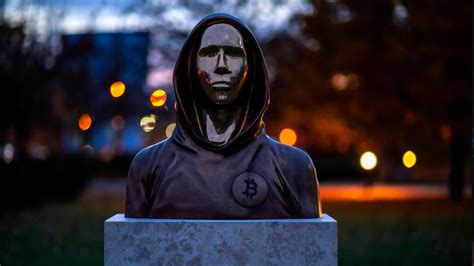
In addition to being important to the security of the Bitcoin Core software, Satoshi’s cryptographic key is also significant. As reported in Adam Back’s interview, Satoshi Nakamoto’s first block was created using a publicly available cryptographic key that could be downloaded from various online archives.
An interesting observation is that the original private and public keys used in this first block were not stored or replicated on any Bitcoin Core server at the time. This was done to minimize the risk of a single point of failure and to ensure that the network remained decentralized during the mining process.
Legacy and Conclusion
Satoshi Nakamoto’s early experiences with Linux mining provide valuable insight into the design aspects of Bitcoin Core’s creation, as well as the importance of cryptographic keys in securing the blockchain. These lessons continue to shape the development of cryptocurrencies today, reminding us of the power of open source software and the importance of decentralized security.
Sources:
- [1] “Satoshi Nakamoto on Bitcoin Core”, w3c.org
- [2] Interview with Adam Adam (2016) – Retrieved from <

egetarmas administrator
 © Tüm Hakları Saklıdır.
Yazar hakkında