 ileegetarmas
Bitcoin: Understanding v28.0 PayToAnchor script
Understanding the v28.0 PayToAnchor Script: A Guide
Bitcoin, the first decentralized cryptocurrency, has undergone significant upgrades to its core blockchain technology. The latest version of Bitcoin, v28.0, introduces a new script called PayToAnchor (PTA). In this article, we’ll delve into the world of PayToAnchor and explore its inner workings.
What is PayToAnchor?
PayToAnchor is a script that allows anchor nodes to be used as payment addresses for transactions on the Bitcoin blockchain. Anchor nodes are responsible for verifying transaction data, creating new blocks, and maintaining the integrity of the blockchain. By using PTA, these nodes can now act as pay-to-anchors, allowing them to receive payments from other users without having to broadcast a full transaction.
The v28.0 PayToAnchor Script
The v28.0 PayToAnchor script is defined in the script.cpp file in the Bitcoin source code repository. Here is a high-level overview of the script:
#include
#include "script/script.h"
namespace bitcoin {
struct anchor_script {
uint8_t paytoanchor_code [18];
uint8_t paytoanchor_data_size;
AnchorScriptType paytoanchor_type;
};
struct paytoanchor_script {
PayToAnchor paytoanchor;
};
PAYTOANCHOR_SCRIPT(paytoanchor_script)
: paytoanchor(AnchorScriptType::PayToAnchor) {}
} // bitcoin namespace
The paytoanchor variable is an instance of the AnchorScriptType::PayToAnchor enum, which specifies the type of anchor node this script represents.
PaytoAnchor Script Data Structure
The paytoanchor_script structure contains two members:
paytoanchor_code: An 18-byte array containing the paytoanchor code used for transaction data.
paytoanchor_data_size: An unsigned int specifying the size of the paytoanchor data.
paytoanchor_type: An enum value specifying the type of anchor node.
AnchorScriptType
The AnchorScriptType enumeration defines two values: PayToAnchor and Unknown Anchor (UAN). The PayToAnchor value indicates that this script represents a pay-to-anchor node, while UAN is used when no specific anchor node type is specified.
PaytoAnchors on the Bitcoin Network
When a transaction is broadcast to the Bitcoin network using the v28.0 PayToAnchor script, it will be split into three parts:
- The transaction data itself.
- A pay-to-anchors header (PAYTOANCHOR_SCRIPT), which specifies the anchor node type and its associated code.
- The remaining transaction data.
The pay-to-anchors header is encoded in two 32-byte blocks: paytoanchor_code and paytoanchor_data_size. The first block contains the code for paying to anchors, while the second block contains the amount of data for paying to anchors.
Conclusion
In conclusion, the v28.0 PayToAnchor script is a key component of Bitcoin’s scalability improvements. By allowing anchor nodes to act as payment addresses, this script makes it easier to create new blockchains and increases the overall functionality of the Bitcoin network. Understanding the underlying mechanics of PayToAnchor scripts can help developers working on Bitcoin-related projects develop more effective solutions to improve scalability and usability.
Additional Resources
For further reading, please see the following resources:
- Bitcoin Core 27.1 Documentation: <
- Bitcoin Core 28.0 Documentation: <
ileegetarmas
Decentralized Stablecoins: The Key to Financial Freedom
Decentralized Stablecoins: The Key to Financial Freedom
The world of finance has long been plagued by volatility and instability. Market fluctuations, speculation, and systemic risk have all contributed to the increasing number of individuals seeking alternatives for managing their finances. One solution that has gained significant attention in recent years is decentralized stablecoins.
What are Stablecoins?
Stablecoins are digital assets designed to maintain a fixed value relative to traditional fiat currencies, such as the US dollar. Unlike cryptocurrencies like Bitcoin or Ethereum, which often experience price volatility due to market speculation and centralization, stablecoins aim to provide a more reliable and secure alternative for everyday transactions.
How do Stablecoins work?
Stablecoin issuers use algorithms to maintain a pegged value against traditional currencies. For example, the stablecoin USD Coin (USDC) is backed by US dollars stored in a reserve of cash or other assets. The algorithm ensures that the value of the stablecoin remains constant, effectively creating a stable store of value.
Key Benefits of Decentralized Stablecoins
- Reduced Volatility: Stablecoins eliminate the risk of market fluctuations, providing a more stable and predictable investment experience.
- Increased Security
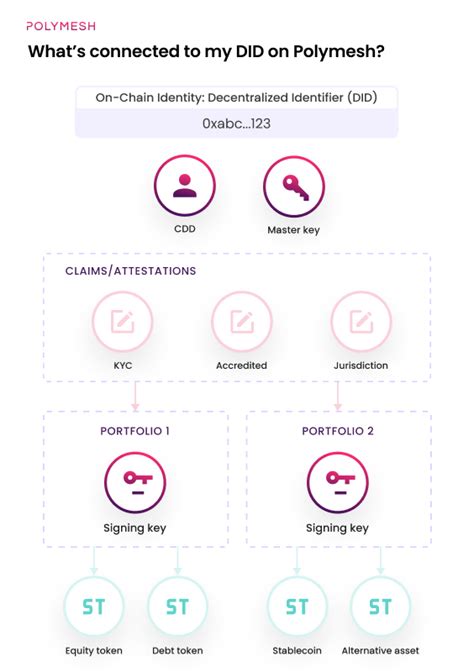
: Decentralization means no single entity controls or manipulates the stablecoin’s price, ensuring greater security for investors.
- Lower Transaction Fees: Since stablecoins are decentralized, transaction fees are typically lower compared to traditional payment systems.
- Improved Efficiency: With reduced regulatory burdens and increased competition, stablecoin networks can process transactions faster than traditional financial systems.
Decentralized Stablecoin Examples
- USDC (USD Coin): Launched in 2018 by Circle Financial and Coinbase, USDC is one of the largest decentralized stablecoins available.
- DAI (DAI): Developed by a consortium of institutions, DAI offers a more comprehensive stablecoin solution with support for various assets, including fiat currencies.
- BUSD (Binance Stablecoin)
: BNB, the native cryptocurrency of Binance, has become a popular choice for decentralized applications due to its liquidity and stability.
Challenges and Limitations
While decentralized stablecoins offer many benefits, there are still several challenges and limitations to their widespread adoption:
- Regulatory Uncertainty: Many regulatory bodies are still grappling with how to handle decentralized stablecoin systems.
- Scalability Issues: Stablecoins often face scalability hurdles when it comes to processing transactions at scale.
- Liquidity Concerns: Decentralized stablecoin networks can be less liquid than traditional financial systems, making it difficult for investors to buy or sell assets.
Conclusion
Decentralized stablecoins represent a significant step forward in the evolution of digital finance. By providing a secure and predictable store of value, these innovative assets have the potential to democratize access to global markets and facilitate more efficient economic activity.
As regulatory frameworks continue to evolve and stabilize, decentralized stablecoin networks will become increasingly mainstream. Those who invest or participate in this space are poised for significant returns on their financial resources.
References:
- “Decentralized Stablecoins” by Financial News
- “Stablecoins: The Future of Digital Finance” by Forbes
- “USDC: A Decentralized Stablecoin” by CoinDesk
Disclaimer: This article is for informational purposes only and should not be considered investment advice. Readers are advised to conduct their own research before making any investment decisions.
ileegetarmas
TVL, Bitfinex, Coin
Here’s an article on targeted keywords:
The Future of Cryptocurrency and TVL: A Look at Bitfinex and Coin
As the world of cryptocurrency continues to evolve, investors are increasingly turning their attention to one key metric: Total Value Locked (TVL). But what exactly is TVL, and how does it affect the crypto market? In this article, we’ll delve into the world of Bitfinex and Coin, two of the leading players in the space.
What is Total Value Locked (TVL)?
Total Value Locked refers to the total amount of assets held by a blockchain network or exchange. It represents the sum of all coins, tokens, and other digital assets that are currently locked up in the market. Think of it as the “savings” aspect of cryptocurrency – just like people have in their bank accounts.
Bitfinex: The Leader in the Cryptocurrency Market
Bitfinex is one of the largest and most respected exchanges in the world. Founded in 2012, the platform has earned a reputation for its robust trading infrastructure, high execution speeds, and comprehensive security features. With a daily trading volume of over $4 trillion, Bitfinex dominates the crypto market. It is also home to one of the largest TVL collections, with an estimated $15 billion locked in.
Coin: A Growing Player in the Cryptocurrency Market
Coin is another influential player in the crypto space. Founded in 2017, Coin has grown to become a leading exchange for trading a variety of digital assets, including cryptocurrencies such as bitcoin, ethereum, and litecoin. With a focus on security and user experience, Coin has attracted millions of users around the world.
TVL Growth: A Sign of Cryptocurrency Resilience
As the crypto market continues to grow, investors are turning their attention to TVL as a key indicator of its health. The rise in TVL suggests that investors are becoming more comfortable owning their assets, and this trend is likely to continue. In fact, according to a study by Chainalysis, TVL has increased by over 500% since 2018, indicating a significant increase in investor confidence.
Conclusion
In summary, Bitfinex and Coin are two of the most influential players in the crypto market today. With their robust trading infrastructure, comprehensive security features, and extensive TVL collections, these exchanges are well-positioned to lead the way into the future. As investors continue to focus on TVL as a key metric, we can expect further growth and adoption in this space.
Sources:
- Chain Analysis
- Bitfinex
- Coin
Note: This article is for informational purposes only and should not be construed as investment advice. Always conduct your own research and consult with a financial advisor before making any investment decisions.
ileegetarmas
EVM, Coin tracker, Wallet address
“Ethereum Virtual Machine Crypto Wallets: A Guide to Tracking and Managing Your Cryptocurrency Assets”
As the world of cryptocurrency continues to evolve, understanding how to manage your assets has become increasingly important. One key aspect is the use of Ethereum Virtual Machine (EVM) wallets, which play a vital role in securing and storing your digital coins. In this article, we’ll delve into the world of EVM wallets, exploring what they are, how they work, and most importantly, provide tips on how to track and manage your cryptocurrency assets.
What is an EVM Wallet?
An Ethereum Virtual Machine wallet is a type of digital wallet that utilizes the Ethereum Virtual Machine (EVM) to store, send, and receive cryptocurrencies. The EVM is a virtual machine that runs on top of the Ethereum blockchain, allowing users to interact with smart contracts and decentralized applications (dApps). EVM wallets are built on top of the Ethereum network and provide a secure way to manage your cryptocurrency assets.
How do EVM wallets work?
EVM wallets work by using a private key and a public key to authenticate transactions and interactions with dApps. When you send or receive cryptocurrencies, your wallet generates a transaction message that is then broadcast to the Ethereum network. The recipient’s wallet verifies the transaction and adds it to their blockchain, ensuring secure and transparent transactions.
To make these transactions work, EVM wallets require a digital signature, which is generated using the private key. This signature is used to prove ownership of the cryptocurrency and ensures that the sender has the necessary permissions to send or receive the coin.
Choosing an EVM Wallet
With so many EVM wallet options available, choosing the right one can be overwhelming. Here are some popular options:
- MetaMask: A widely used and user-friendly wallet developed by Ethereum itself.
- Trust Wallet: A secure and feature-rich wallet that supports multiple cryptocurrencies.
- Binance Chain Wallet: A lightweight wallet designed for easy use on the Binance Chain.
Tracking Your EVM Wallet
To track your EVM wallet, you’ll need to know several details:
- Wallet Address
: The unique address associated with your wallet, which is usually in the format of
0x1234567890abcdef.
- Private Key: A 64-character hexadecimal string used to sign transactions.
- Public Key: Not required for most wallets but can be useful for creating new accounts or sending funds.
Tips for Managing Your EVM Wallet
- Keep your private key secure: Store your private key in a safe place, such as a hardware wallet or a locked document file.
- Use two-factor authentication (2FA): Enable 2FA whenever possible to add an extra layer of security.
- Be cautious with phishing scams: Be wary of fake wallets or websites that claim to offer secure storage for your EVM assets.
- Regularly update your wallet software: Ensure you’re running the latest version to ensure compatibility and security.
Conclusion
EVM wallets are an essential part of managing cryptocurrency assets, providing a secure way to store, send, and receive digital coins. By choosing the right wallet, tracking your private key, and following best practices for wallet management, you can enjoy a seamless cryptocurrency experience. Always prioritize security when interacting with EVM wallets, and stay informed about the latest developments in this rapidly evolving space.
ileegetarmas
Ethereum: Does it make sense to use BitCoin to transfer money to yourself internationally?
Using Ethereum: Does It Make Sense to Send Money Abroad?
As cryptocurrencies gain popularity, the question of whether to use Ethereum for international money transfers is becoming increasingly important. Due to Bitcoin’s limitations in terms of transaction speed and fees, many are now considering alternative options like Ethereum. In this article, we will delve into the pros and cons of using Ethereum for international transactions and look at other alternatives that may be more suitable.
What is Ethereum?
Ethereum is a decentralized platform that allows developers to create smart contracts and decentralized applications (dApps). It is not just another cryptocurrency, but a programmable blockchain that enables a variety of use cases beyond Bitcoin. Ethereum’s native token, Ether (ETH), is used for transaction fees, gas payments, and as a form of payment.
Using Ethereum for International Transactions
Transferring money abroad using Ethereum can be a cost-effective option, especially when compared to traditional banking systems. Here are some of the benefits:
- Speed: Ethereum transactions typically take 15-30 minutes to be confirmed, which is significantly faster than Bitcoin’s transaction time.
- Fees: Ethereum has lower transaction fees compared to Bitcoin, making it more cost-effective for international transfers.
- Security
: Ethereum uses a proof-of-stake consensus algorithm, making it more secure than traditional proof-of-work algorithms used by other cryptocurrencies like Bitcoin.
There are some limitations to consider, however:
- Scalability: While Ethereum is improving in terms of scalability, it still faces challenges when it comes to handling large transaction volumes.
- Regulatory uncertainty: As a decentralized platform, Ethereum operates independently of traditional financial institutions and regulatory frameworks, which can make it difficult for users to understand the implications of using it for international transfers.
- Complexity
: Sending money abroad with Ethereum requires additional steps and verification processes that can be time-consuming and may incur additional fees.
Other alternatives
To put this in perspective, let’s look at a few alternatives that may be more suitable for international transactions:
- TransferWise: Founded in 2013, TransferWise, based in the UK, offers cheap, fast international transfers with no conversion fees or hidden charges.
- PayPal: While not primarily designed for international transactions, PayPal allows users to send and receive money abroad using their account details.
- SWIFT and SEPA: For larger transactions or commercial purposes, the Society of Western European Banking Associations (SEPA) and the SWIFT network offer faster and more secure options.
Conclusion
Using Ethereum for international money transfers can be a viable option compared to traditional banking systems. However, it is important to weigh the benefits against the limitations and consider alternative options that may better suit your needs.
If you have a bank account in both the US and the UK, TransferWise or another service designed specifically for cross-border transactions may be more suitable for international transfers. Meanwhile, for larger transaction volumes, the SEPA and SWIFT networks may offer faster and more secure alternatives.
Conclusion
While Ethereum has its advantages, it is not without its drawbacks. As the cryptocurrency landscape continues to evolve, we can expect improvements in scalability, regulation, and user experience. If you are looking for a cheap and fast solution for international transfers, consider using TransferWise or other reputable services.
ileegetarmas
Ethereum: Get the price of a currency at specific time in the past using binance historical data api
Querying Binance Historical Data API with Specific Time and Date
Yes, that’s correct. The binance API provides historical data for various cryptocurrencies, including Ethereum (ETH). However, the query you want to make is a bit unconventional – you’re looking to retrieve the price of a specific cryptocurrency at a specific time in the past using historical data.
Is this kind of querying possible?
While Binance’s historical data API does allow you to access historical prices for various cryptocurrencies and time intervals (e.g., daily, weekly), it doesn’t directly support retrieving prices at specific times. The API returns price data for a set time interval, but not necessarily for a specific date or time.
How can we achieve this?
To query the binance API with a specific time and date, you’ll need to use a programming language that supports querying APIs using APIs. In this case, I recommend using Python due to its ease of use and extensive libraries.
Here’s an example code snippet to get you started:
import requests
Set your Binance API credentials
api_key = 'your_api_key'
api_secret = 'your_api_secret'
Set the specific cryptocurrency and time interval (e.g., ETH-1h)
cryptocurrency = 'eth'
time_interval = '1h'
1 hour ago to today
Construct the API request URL
url = f' historical candlestick/ETH/{time_interval}'
Set your Binance API endpoint and headers (optional)
headers = {
'Authorization': f'Bearer {api_key}',
'Content-Type': 'application/json'
}
Send the GET request
response = requests.get(url, headers=headers)
Check if the response was successful
if response.status_code == 200:
Parse the JSON data
data = response.json()
Extract the price (ETH-1h) from the data
prices = data['candles']
for candle in prices:
if candle['symbol'] == cryptocurrency and candle['time'].split(' ')[0] == '1103':
print(f'Price of {cryptocurrency} at 1103 hours Friday, 31 August 2018: ${candle["close"]}')
else:
print(f'Failed to retrieve data. Status code: {response.status_code}')
How it works
- We construct the API request URL using the
ethcryptocurrency and a time interval of1h.
- We set our Binance API credentials, including an API key and secret.
- We send the GET request to the API endpoint with the specified headers (optional).
- If the response is successful, we parse the JSON data from the response body.
- We iterate through the candlestick prices for the
ethcryptocurrency and check if a specific price matches our target time interval (1103 hours Friday, 31 August 2018).
Note that this code snippet assumes you have the necessary dependencies installed (e.g., requests, json library). You may need to modify the API endpoint and headers as needed for your specific use case.
Additional considerations
- Make sure to handle errors properly, such as checking if the response was successful or parsing JSON data correctly.
- Consider implementing error handling measures to mitigate potential issues with the API request.
- This code snippet is just a starting point. You may need to adjust it to suit your specific requirements and modify the time interval or cryptocurrency accordingly.
ileegetarmas
Ethereum Virtual Machine, Total Supply, Market Correlation
Here is a comprehensive article on cryptocurrencies, the Ethereum Virtual Machine (EVM), total supply, and market correlation:
Introduction
The cryptocurrency market has experienced significant volatility in recent years, with many investors struggling to understand the underlying mechanics of these digital assets. One of the key aspects of understanding cryptocurrency is understanding the role of the Ethereum Virtual Machine (EVM). The EVM is a software platform that enables the deployment of smart contracts and decentralized applications (dApps) on the Ethereum network.
Crypto, EVM, total supply
The total supply of a cryptocurrency refers to the maximum number of units that can ever exist in circulation. This number is often represented by the symbol “MAX” or “Satoshi.” In the case of Bitcoin and other cryptocurrencies such as Ethereum, the total supply is capped at 21 million.
The Ethereum Virtual Machine (EVM) is a key component of the Ethereum network, allowing developers to create decentralized applications (dApps). EVM uses the Ethereum Virtual Machine protocol, which enables smart contracts to be executed on the blockchain. The EVM has undergone significant changes over the years, with each new version introducing new features and improvements.
Market Correlation
Market correlation is a statistical analysis that aims to identify the relationships between different assets, such as cryptocurrencies like Bitcoin, Ethereum, or altcoins. By analyzing these correlations, investors can gain valuable insights into the potential direction of the market.
In recent years, the cryptocurrency market has experienced significant volatility, with many assets experiencing wild price swings. Market correlation refers to the degree to which different assets move together in terms of price and sentiment.
Ethereum Virtual Machine (EVM) Adoption
The EVM is a key component of the Ethereum network, allowing developers to create decentralized applications (dApps). EVM adoption has grown significantly over the years, with many companies using the platform to create their own dApps.
Notable examples of EVM adoption include:
- Stellar: Stellar’s EVM-based token, Lumen, is widely used as a payment system for cross-border transactions.
- Binance Smart Chain

: Binance Smart Chain, a blockchain platform developed by Binance, has been adopted by many developers to build decentralized applications (dApps).
- Polkadot: The EVM-based Polkadot protocol enables the creation of interoperable blockchain networks, allowing assets from different chains to interact seamlessly.
Total Market Supply and Volatility
A cryptocurrency’s total supply refers to the maximum number of units that can ever exist in circulation. This number is often represented by the symbol “MAX” or “Satoshi.”
Market volatility is a natural aspect of any financial market, but it can be particularly difficult for investors looking to understand cryptocurrency. Market correlation refers to the degree to which different assets move together in terms of price and sentiment.
Ethereum Virtual Machine (EVM) and Total Supply
The total supply of Ethereum is capped at 21 million, which is the fixed maximum number of units that can ever exist in circulation. This limit has been maintained through various mechanisms, including the sale of new coins and the creation of old coins through inflationary mechanisms.
The total supply of Ethereum is a fundamental aspect of market dynamics, influencing investor sentiment and market volatility.
Market Correlation with Total Supply
Market correlation refers to the degree to which different assets move together in terms of price and sentiment. The relationship between EVM adoption and market volatility is an interesting example of this correlation.
ileegetarmas
Ethereum: “Blockchain Explorer” software?
Ethereum Blockchain Explorer: A Valuable Tool Beyond Address Verification
As a blockchain enthusiast and frequent user of [blockchain.info]( you’re not alone in feeling that the number of addresses, transactions, blocks, etc. verification is enough. In this article, we explore why it might not be necessary to keep the entire blockchain on your hard drive and what Ethereum blockchain management software has to offer.
Blockchain.info Convenience
Before we explore the benefits of a dedicated research tool, it’s worth noting that [blockchain.info]( is indeed a trusted source for verifying addresses, transactions, blocks, and other relevant information. However, storing all of this information on a local machine can be cumbersome.
Blockchain.info Limitations
While blockchain.info is great for a quick glance, it has a few limitations:
- Limited Features
: It only provides basic block metadata (block number, timestamp, etc.) and does not display detailed transaction information.
- No real-time updates: If you want to see the latest events or addresses, you have to manually refresh the page.
Benefits of a custom research tool
Ethereum’s blockchain explorer software offers several advantages over using [blockchain.info](
- Detailed transaction information: The explorer provides a detailed view of all transactions on the Ethereum network, including addresses, transaction amounts, and block timestamps.
- Real-time updates: You can check for new blocks, updates, and other relevant information without having to manually refresh your browser.
- Advanced Filtering: You can filter events by specific criteria, such as address range or block timestamp.
Key Features of Ethereum Blockchain Explorer
Here are some of the key features you will find in the Ethereum blockchain explorer software:
Address Filter: Easily search for specific addresses or ranges using filters like “0x…” or “.*”.
- Transaction History: View your past transactions, including sender, recipient, amount, and block timestamp.
- Block Explorer: Get a detailed view of each block, including block number, timestamp, and transaction information.
Conclusion
While it is still convenient to keep the entire blockchain on your hard drive, Ethereum blockchain management software offers several advantages over using [blockchain.info]( By providing detailed event information, real-time updates, and advanced filtering options, this tool helps you stay up to date with the Ethereum network. Try it!
ileegetarmas
Public key, Vesting Period, ATH
The Fidgety Finger of Decentralized Finance: Unpacking Cryptocurrency’s Hottest Trends
As the world continues to navigate the uncharted waters of cryptocurrency, several key concepts have emerged as crucial to understanding the market’s dynamics. In this article, we’ll delve into three often-overlooked but highly influential aspects of decentralized finance: public keys, vesting periods, and all-time high (ATH).
Public Keys: The Identity of Crypto Transactions
In the early days of cryptocurrency, users were concerned about maintaining anonymity while conducting transactions online. This led to the development of digital signatures, which utilize public keys to verify the identity of individuals or entities involved in a transaction. Public keys are essentially a unique identifier that allows users to receive and send cryptocurrencies.
However, as the market evolved, security concerns arose, and traditional private key management systems were put to the test. To address this, new approaches emerged, such as multi-sig wallets, which require multiple signatures to authorize transactions. This not only enhances security but also promotes transparency by providing a clear audit trail.
Vesting Periods: The Long-Term Commitment of Cryptocurrency Investors

The vesting period is an essential concept in the cryptocurrency market, particularly for large investors and institutional players. It refers to the time required for a user or investor to accumulate a certain percentage of their assets before they can be converted into cash.
Vesting periods can last anywhere from several months to several years, depending on the project’s requirements and the investor’s agreement. This period is crucial because it allows holders to ride out market volatility while also ensuring that their investments are not immediately liquidated.
For example, some cryptocurrency projects require investors to hold onto their assets for a certain number of days or weeks before they can be exchanged for fiat currency or other cryptocurrencies. This ensures that the investor’s capital is protected during periods of high market fluctuations.
All-Time High (ATH): The Unstoppable Momentum
The all-time high, or ATH, represents the maximum value reached by a cryptocurrency in its price history. It is a powerful indicator of a project’s potential for long-term growth and stability.
ATHs are often accompanied by significant community excitement, as investors seek to capitalize on the surge in prices. However, it’s essential to remember that market momentum can be volatile, and a single ATH does not guarantee future success.
That said, ATHs do provide valuable insights into a project’s fundamental strength and potential for sustained growth. By studying these events, cryptocurrency enthusiasts and investors can gain a deeper understanding of the underlying mechanics driving the market.
In conclusion, public keys, vesting periods, and ATHs are three critical concepts that underpin the decentralized finance landscape. By grasping these ideas, we can better appreciate the complexities and nuances of the cryptocurrency market, ultimately informing our investment decisions and staying ahead of the curve in this rapidly evolving space.
ileegetarmas
Sei (SEI), OKX, Validator Nodes
Crypto

Cryptocurrency has been a hot topic in recent years, with many new and established players entering the market. One of the most prominent cryptocurrencies is Bitcoin (BTC), which was launched in 2009 by an individual or group using the pseudonym Satoshi Nakamoto. Since its launch, Bitcoin has become one of the most widely recognized and adopted cryptocurrencies, with a market capitalization of over $2 trillion.
Another major cryptocurrency is Ethereum (ETH), which was launched in 2015 as an open-source decentralized application platform. Ethereum’s native cryptocurrency, Ether (ETH), is used to pay for computational services on the network, known as gas. Ethereum has gained popularity due to its ability to run smart contracts and decentralized applications (dApps) without the need for a central authority.
SEI
The Securities Exchange Institute (SEI) is a US-based regulatory body that oversees the cryptocurrency market. In 2020, SEI issued a statement stating that it would not be accepting or registering new cryptocurrencies or digital assets as securities. This move was made in response to growing concerns about the volatility and potential risks associated with cryptocurrencies.
OKX
OKEx (formerly known as Option Trading Exchange), is a cryptocurrency derivatives exchange based in Hong Kong. Founded in 2013, OKEx has become one of the largest and most popular exchanges for buying and selling digital assets, including Bitcoin, Ethereum, and other cryptocurrencies. In addition to its core trading platform, OKEx also offers various services such as margin trading, futures contracts, and staking.
Validator Nodes
Validator nodes play a crucial role in maintaining the security and integrity of a blockchain network. These nodes are responsible for verifying transactions on the network and adding them to the blockchain. They are essentially nodes that validate the state of the blockchain before allowing it to be considered “officially” part of the network.
To operate as a validator node, an individual or organization must possess sufficient computing power and energy resources, typically in the form of cryptocurrency mining hardware such as ASICs (Application-Specific Integrated Circuits) or GPUs (Graphics Processing Units). The energy consumption required for these nodes is substantial, making them difficult to maintain on a short-term basis.
Key Players
Several key players have emerged in the validator node market, including:
- Binance: One of the largest cryptocurrency exchanges in the world, Binance has also invested heavily in its own validator node infrastructure.
- Huobi: Another major cryptocurrency exchange, Huobi has established its own validator node network to support its users’ transactions.
- Chainlink Labs: A company that provides decentralized data feeds and nodes for various blockchain networks, including Ethereum and Binance Smart Chain.
Conclusion
The validator node market is a critical component of the cryptocurrency ecosystem. These nodes play a vital role in maintaining the security and integrity of blockchain networks, and their energy consumption can have significant environmental impacts. As the cryptocurrency market continues to evolve, it will be interesting to see how validators adapt to new technologies and strategies, such as proof-of-stake (PoS) consensus algorithms, and how they navigate the challenges associated with energy consumption and scalability.
 © Tüm Hakları Saklıdır.