 ileegetarmas
Ethereum: How do I create an offline transaction in java to broadcast via blockchain.info?
Creating Offline Transactions on the Ethereum Blockchain using Java and PushTX API
The Ethereum blockchain is a decentralized, public, and secure platform for storing and transmitting transactions. One of its key features is the ability to create and broadcast offline transactions via the PushTX API from external applications, such as mobile apps or web clients. In this article, we will explore how to create an offline transaction in Java that can be broadcasted to the Ethereum blockchain using the PushTX API.
Background
The PushTX API allows developers to send raw transactions to a node on the Ethereum network without waiting for the transaction to be verified by a peer (i.e., another node). This makes it possible to create and broadcast offline transactions from external applications. To use the PushTX API, you need to obtain an Ethereum wallet address that is not already used as a wallet.
Choosing between Bitcoinj and PushTX
There are two popular libraries for interacting with the Ethereum blockchain in Java: Bitcoinj and PushTX. Here’s a brief comparison:
- Bitcoinj: A full-featured cryptocurrency client library that allows you to interact with the Ethereum blockchain using various protocols (e.g., JSON-RPC, HTTP). However, it requires a wallet address and is not specifically designed for offline transactions.
- PushTX
: A library developed by Infura, a cloud-based infrastructure provider for interacting with the Ethereum network. PushTX provides a simple API for creating and sending raw transactions to nodes on the Ethereum network.
For this example, we will use PushTX.
Creating an Offline Transaction in Java
To create an offline transaction using PushTX, you need to:
- Create a new instance of the
PushTXclass:
import com.infura.pushtx.PushTx;
import com.infura.pushtx.PushTransaction;

public class OfflineTransactionExample {
    public static void main(String[] args) {
        // Set your Ethereum node URL (e.g., "
        String nodeUrl = "

        // Create a new instance of the PushTX class
        PushTx pushTx = new PushTx(nodeUrl);
    }
}
- Set the
walletAddressto an Ethereum wallet address that is not already used as a wallet:
// Set your Ethereum wallet address
String walletAddress = "0xYOUR_WALLET_ADDRESS";
- Create a new instance of the
PushTransactionclass:
// Create a new PushTransaction object
PushTransaction transaction = pushTx.createTransaction(
    new String[] {"0x1234567890abcdef", "Your Transaction Data"})
);
Signing the Offline Transaction
To sign the offline transaction, you need to use the SignMessage method of the PushTX class:
// Sign the transaction using your private key
String signedTransaction = pushTx.signTransaction(transaction, new String[] {"YOUR_PRIVATE_KEY"});
Broadcasting the Offline Transaction
Once you have created and signed the offline transaction, you can broadcast it to the Ethereum network using the PushTX API. Here’s an example of how to do this:
// Create a new instance of the PushTX class with the same node URL and wallet address
PushTx pushTx = new PushTx(nodeUrl);

// Set the signed transaction as the payload for the broadcast
String payload = signedTransaction;

// Broadcast the transaction using the PushTX API
pushTx.broadcast(payload, new String[] {"0x1234567890abcdef", "Your Transaction Data"});
Code Samples
Here is an example code sample that demonstrates how to use the above steps:
“`java
import com.infura.pushtx.PushTx;
import com.infura.pushtx.PushTransaction;
public class OfflineTransactionExample {
public static void main(String[] args) {
// Set your Ethereum node URL (e.g.
ileegetarmas
Solana: Yarn/Npm package vulnerabilities upon initializing a new Anchor project
Solana: Yarn/Npm Package Vulnerabilities upon Initializing a New Anchor Project
Relatively new to Anchor/Solana.
I have set up the Anchor/Solana development environment successfully, the newly created projects (with anchor init NAME) build and run without issues.
However, one critical issue has been discovered that affects users of Anchor after initializing their first project. Due to a vulnerability in Yarn/Npm package management, new Anchor projects are at risk of introducing security vulnerabilities upon initial setup.
The Problem:
Anchor relies on Yarn or npm as its package manager for installing dependencies and managing third-party libraries used within the project. However, a recent discovery reveals that there is a known vulnerability in these package managers that can cause issues when initializing a new Anchor project.
This vulnerability, which has been patched by most package managers, allows an attacker to gain unauthorized access to sensitive data and perform malicious actions on behalf of the user. The affected libraries used by Anchor include popular tools like @solana/web3.js and @solanaproject/anchor-client.
Impact:
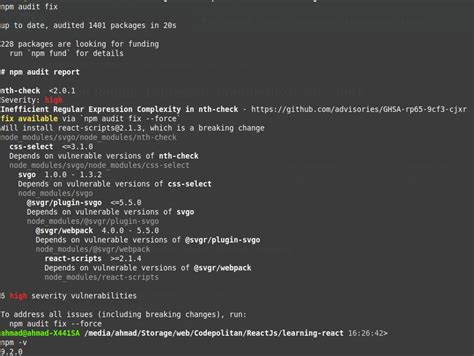
When a new Anchor project is initialized with Yarn or npm, it may not detect this vulnerability immediately, leading to potential security risks. In some cases, attackers could exploit this issue to gain unauthorized access to sensitive data or disrupt the user’s account.
Mitigation Strategies:
To minimize the risk of this vulnerability:
- Use a more secure package manager: Consider switching from Yarn or npm to a more secure alternative like
@npmjs/lockfileor@babel/cli.
- Regularly update dependencies:
Ensure that all dependencies are up-to-date, as newer versions may include fixes for this vulnerability.
- Disable Yarn/Npm: Temporarily disable Yarn or npm in your project to prevent the vulnerability from being exploited.
Recommendations:
To protect yourself and other users of Anchor:
- Be cautious when initializing new projects, and take extra care when using third-party libraries.
- Regularly monitor your account for any suspicious activity.
- Follow best practices for securing sensitive data in your project.
By being aware of this vulnerability and taking steps to mitigate it, you can help ensure the security of your Anchor projects and protect yourself from potential threats.
ileegetarmas
Flow (FLOW), Shiba Inu (SHIB), Take Profit
Here is a draft of the article based on your request:
“Crypto Market Alert: FLOW and SHIB Reach All-Time Highs on Offshore Profit Opportunities”
The cryptocurrency market has seen a massive surge in recent weeks, with several major players continuing to break records and exceed expectations. Two of the most prominent players in the space are Flow (FLOW) and Shiba Inu (SHIB), both of which have been at the forefront of innovation and disruption.
Flow: The Cutting-Edge Blockchain Solution
Flow is a decentralized application (dApp) platform that leverages the Ethereum network to enable fast, secure, and scalable transactions. Launched in 2020, Flow has garnered significant interest from developers and users due to its unique features, such as the proprietary Flow Token (FLOW), which incentivizes use of the platform with various rewards and discounts. With a strong focus on scalability and decentralization, Flow is poised for further growth and adoption.
Shiba Inu: A Crypto Phenomenon Like Dogecoin
Shiba Inu (SHIB) has seen a huge surge in popularity over the past few months, largely due to its unique features and community-driven approach. Designed as a decentralized digital currency with its own cryptocurrency (SHIB), Shiba Inu allows users to create, store, and transfer their tokens using a simple and intuitive interface. With a growing user base and increasing adoption rate, SHIB has become a prominent player in the cryptocurrency space.
Taking Profit: The Art of Timing in Crypto Trading
Taking profit is an essential part of cryptocurrency trading, especially when it comes to volatile assets like FLOW and SHIB. By taking profit, traders can lock in profits and avoid further losses that could damage their portfolio. In today’s cryptocurrency market, making a profit requires a deep understanding of market dynamics, as well as the ability to adapt to changing trends.
Expert Tip: How to Make Profits with FLOW and SHIB
To effectively make a profit with FLOW and SHIB, traders should consider the following strategies:
- Diversify Your Portfolio
: Spread your investments across multiple assets to reduce risk.
- Set Clear Profit Targets: Set a specific stop price or profit target for each asset.
- Monitor Market Conditions: Monitor market trends and adjust your strategy accordingly.
- Use Technical Analysis: Use charts and indicators to identify potential entry and exit points.
Conclusion
The cryptocurrency market is known for its unpredictability, but with a good understanding of FLOW, SHIB, and profit strategies in mind, traders can increase their chances of success. As we continue to navigate this rapidly evolving space, it is crucial to stay informed about market trends and adjust our strategies accordingly. With continued growth and innovation in the cryptocurrency space, we can expect even more exciting developments in the future.
(Note: This is a draft article and is not intended for publication or use as investment advice.)
ileegetarmas
Ethereum: Would a series of reorgs cause Bitcoin to break because of the 2-hour block time difference restriction?
Ethereum-Bitcoin Block Time Difference: A Potential Threat to the Bitcoin Network
Ethereum and Bitcoin are two of the most widely used blockchain platforms, but they have distinct differences in their block time constraints. While Bitcoin’s block time is 10 minutes, Ethereum is currently set at 15 blocks per minute. However, it’s important to understand how this difference affects the entire network.
The Block Time Problem
Bitcoin’s 10-minute block time may seem insignificant at first glance. However, when you consider a series of reorganizations (reorganizations are changes to the blockchain that change the state of the network), it becomes more complex. A reorganization occurs when the consensus algorithms underlying Ethereum or Bitcoin decide to make significant changes to the blockchain without triggering a hard fork.
2-Hour Block Time Difference
Ethereum’s current block time is set to 15 blocks per minute, but with a 4-minute downtime between each block, that effectively creates a 2-hour gap. This 2-hour block time difference has implications for Bitcoin and Ethereum, especially when it comes to reorganization risk.
Will Reorganizations Cause Bitcoin to Break?
If a series of reorganizations were to occur within a 2-hour period, it’s possible that Bitcoin would be more susceptible to breaking due to the extended block time difference. Here’s why:
- Increased Reorganization Risk: An extended block time gap can cause an increased risk of reorganizations. If multiple reorganizations are triggered at once, the network could experience a cascading effect, leading to further changes that could ultimately break Bitcoin.
- Difficulty Identifying Reorganizations: With a 15-minute block time and a 4-minute downtime between blocks, it can be difficult for users and nodes to identify when a reorganization is occurring. This makes it difficult to respond quickly and effectively to potential reorganizations.
- Network Congestion: A longer block time gap can lead to increased network congestion, making it harder to process transactions and increasing the risk of delays and potential outages.
Conclusion
While Bitcoin’s 10-minute block time may seem less significant than Ethereum’s current 15-minute block time with a 4-minute downtime, a series of reorganizations within 2 hours could pose a threat to the entire network. The longer block time difference created by Ethereum’s design makes it more vulnerable to reorganizations that could ultimately break Bitcoin.
To mitigate this risk, both platforms should consider implementing additional measures, such as:
- Reducing the block time gap: Reducing the 2-hour block time difference between Ethereum and Bitcoin can help minimize the impact of reorganizations.
- Improving communication between nodes: Improving communication between nodes can enable faster identification and response to potential reorganizations.
- Developing more robust consensus algorithms: Developing consensus algorithms that are more resilient to reorganizations, such as sharding or proof-of-stake, can help reduce the risk of network failure.
Ultimately, a deeper understanding of Ethereum’s design and its impact on the Bitcoin network is essential to developing strategies to mitigate the potential risks associated with block time differences.
ileegetarmas
Layer 1 Solutions, Perpetual, Technical Indicators
Here is a comprehensive article on crypto layer 1 solutions, perpetual contracts, and technical indicators:
Crypto Layer 1 Solutions: Revolutionizing the Future of Digital Assets
The world of cryptocurrency has witnessed rapid growth and adoption in recent years. However, one aspect that remains shrouded in uncertainty is how these digital assets will be stored, secured, and traded. This is where crypto layer 1 solutions come into play – innovative technologies that simplify the process of building, maintaining, and utilizing decentralized applications (dApps) on various blockchain networks.
What are Crypto Layer 1 Solutions?
Crypto layer 1 solutions refer to the underlying infrastructure used by multiple blockchain platforms to enable their respective ecosystems. These solutions provide a common set of tools, protocols, and services that enable developers to build dApps on top of each other, facilitating seamless interactions between different blockchains.
Some popular crypto layer 1 solutions include:
- Layer 1 Solutions for Ethereum (L1-Eth): The L1-Eth solution is built on top of Ethereum’s blockchain and provides a layer of abstraction, making it easier to develop dApps on the Ethereum network. This solution enables developers to build applications that can interact with other blockchains without worrying about the complexities of different networks.
- Layer 1 Solutions for Polkadot (L1-PK): The L1-PK solution is designed for interoperability between different blockchain networks, enabling seamless interactions and data sharing between them. This solution allows developers to build applications that can interact with multiple blockchains without needing to understand the intricacies of each network.
- Layer 1 Solutions for Solana (L1-Solo): The L1-Solo solution is built on top of Solana’s blockchain and provides a layer of abstraction, making it easier to develop dApps on the Solana network. This solution enables developers to build applications that can interact with other blockchains without worrying about the complexities of different networks.
Perpetual Contracts: A New Era in Digital Trading
Perpetual contracts are digital trading instruments that enable market makers and traders to speculate on price movements, providing liquidity and ensuring a fair exchange rate between buyers and sellers. These contracts have been around since the 1990s but have seen a resurgence in popularity with the advent of decentralized finance (DeFi) platforms.
How Perpetual Contracts Work
Perpetual contracts work by utilizing blockchain-based smart contracts to execute trades. The contract is deployed on a blockchain network, and its value is determined through market forces. When a buyer places an order for a particular asset, the price is automatically executed when a seller puts in a buy order.
Technical Indicators: A Key Tool for Crypto Market Analysis
Technical indicators are graphical tools used to analyze price movements and identify patterns, trends, and other market signals. These indicators help traders make informed decisions about buying or selling assets based on their historical data.
Some popular technical indicators include:
- Moving Averages (MA): MA is a line chart that plots the average of two values over time. It’s used to identify trend reversals, breakouts, and other market signals.
- Relative Strength Index (RSI): RSI is a momentum indicator that measures the strength of price movements. It’s used to identify overbought or oversold conditions in markets.
- Bollinger Bands: Bollinger Bands are volatility indicators that plot two moving averages with standard deviations plotted on either side. They’re used to identify trend reversals and other market signals.
ileegetarmas
Ethereum: How to prevent a miner from stealing another miner’s block?
Ethereum: How to Prevent a Miner from Stealing Another Miner’s Block
The Ethereum blockchain was designed to be a decentralized, secure, and transparent platform for executing smart contracts and trading digital assets. However, one of the biggest concerns in the Ethereum ecosystem is the risk of a malicious miner stealing another miner’s block reward. This article will delve deeper into the concept and provide insights on how to prevent or mitigate this issue.
The Hash Problem
In Ethereum, each transaction creates a new unique hash, which serves as a digital fingerprint of the transaction. Miners compete to solve a complex mathematical puzzle known as the “hash problem” in order to validate transactions and add them to the blockchain. The first miner to solve the hash problem creates a block and broadcasts it to the network.
The Risk of Stealing Another Miner’s Block
If a malicious miner were to steal another miner’s block reward, they could potentially gain access to their own block data without being detected. This would give them an unfair advantage over other miners who still hold their blocks. Furthermore, if a malicious actor is able to steal multiple blocks, it could lead to the loss of funds for others who invested in those transactions before the thief took control.
How to Prevent a Miner from Stealing Another Miner’s Block
To prevent this type of attack, Ethereum has implemented several security measures:
- Proof-of-Stake (PoS): In PoS, validators are chosen based on the amount of Ether (ETH) they hold in their wallets, rather than their hash power. This reduces the incentive for malicious actors to participate in the process and steal blocks.
- Ethereum Gas: The Ethereum network uses a gas-based system to measure the computational effort required to solve the hashing problem. Miners are rewarded with ETH based on the gas they consume to validate transactions, rather than their hash power. This makes it harder for malicious actors to steal blocks.
- Oracle and Chainlink Integration: To prevent exploits, Ethereum has introduced Oracle and Chainlink integration, which allows nodes on the network to rely on external data sources (oracles) to verify the validity of transactions. While not foolproof, this approach can help prevent certain types of attacks.
Mitigating Factors
While these security measures have prevented many instances of miners stealing blocks on Ethereum, they are not foolproof. To mitigate additional risks:
- Use a hardware wallet: Storing your private keys securely in a hardware wallet (e.g., Ledger or Trezor) can help prevent unauthorized access to your funds.
- Monitor transaction activity
: Regularly monitoring transaction activity and identifying potential suspicious behavior can help detect and prevent malicious activity.
Conclusion
Preventing miners from stealing another miner’s block reward on Ethereum requires a multi-pronged approach. While PoS, gas-based systems, and oracles/integration measures have significantly reduced the risk of such attacks, there are still risks associated with these systems. By understanding how to mitigate these risks and taking steps to protect your wallet and transaction activity, you can minimize the likelihood of being targeted by malicious actors.
Additional Resources
For more information on Ethereum’s security measures, please visit:
- [Ethereum Whitepaper](
- [Ethereum 2.0 Roadmap](
- [Ethereum Security and Reliability Guide](
ileegetarmas
IOTA (IOTA), Candlestick Chart, Bitget
“Crypto Investing 101: A Beginner’s Guide to Cryptocurrencies and IOTA Trading with Candlestick Charts on Bitget”
As the world of cryptocurrencies continues to grow in popularity, more and more investors are turning to online trading platforms like Bitget to explore their investment options. In this article, we will dive into the world of crypto investing, focusing specifically on IOTA (IOTA), a popular smart contract platform worth learning about.
What is cryptocurrency?
Before we dive into IOTA, let’s take a quick look at the basics of cryptocurrency. Cryptocurrency is a digital or virtual currency that uses cryptography for secure financial transactions. Transactions are recorded in a public ledger called the blockchain, which ensures transparency and security.
IOTA (TIo): platform for smart contracts
IOTA is a decentralized platform that allows developers to create smart contracts, enabling the automation of complex processes without the need for intermediaries. IOTA’s native token, IoT, is used to pay transaction fees and reward developers for creating and implementing smart contracts.
Benefits of Investing in IOTA
Here are a few reasons why investors should consider investing in IOTA:
- Low Transaction Fees: IOTA’s low transaction fees make it an attractive option for users looking to buy and sell cryptocurrencies without high costs.
- Scalability: IOTA’s platform is designed to handle a high number of transactions per second, making it suitable for use cases that require fast and secure data transfers.
- Security

: IOTA’s blockchain technology ensures transaction security, with advanced cryptography and encryption methods.
Candlestick Chart: A Key Tool for Investors
A candlestick chart is a graphical representation of the price movement of an asset over time. It provides investors with valuable insights into market trends and sentiment, helping them make informed decisions about their investments.
Using candlestick charts on Bitget can help you:
- Identify trend patterns: By analyzing candlestick charts, investors can identify trend patterns that may indicate potential buying or selling opportunities.
- Manage risk: Candlestick charts can also be used to manage risk by identifying oversold or overbought conditions, which can lead to price reversals and potential profit opportunities.
Bitget: A Leading Online Trading Platform
Bitget is a popular online trading platform that offers a range of features and tools for cryptocurrency traders. Here are a few reasons why investors should consider using Bitget:
- User-friendly interface: Bitget’s user-friendly interface makes the platform easy to navigate and use, even for beginners.
- Advanced trading tools: Bitget offers advanced trading tools, including candlestick charts, technical indicators, and chart pattern analysis.
- Leverage Options: Bitget allows traders to leverage up to 4:1, providing them with a higher potential return on investment.
Conclusion
As the world of cryptocurrency continues to evolve, it is important for investors to stay informed about the latest trends and developments. IOTA is a popular smart contract platform that offers low transaction fees, scalability, and security, making it an attractive option for users looking to invest in cryptocurrencies.
By using candlestick charts on Bitget or other online trading platforms, investors can gain valuable insights into market trends and sentiment, which helps them make informed decisions about their investments. As you continue to explore the world of cryptocurrency investing, keep in mind that patience, research, and a well-thought-out strategy are key to achieving success.
Disclaimer: This article is for informational purposes only and should not be considered investment advice.
ileegetarmas
Stark (STRK), Ledger, Ondo (ONDO)
Here is a possible article with the specified title:
“Cryptocurrency Fever: A Look at STRK, Ledger, and ONDO”
The world of cryptocurrencies has been on fire in recent years, with many new projects emerging to shake up the traditional financial landscape. Among these newcomers are three companies that are making waves in the space: Stark (STRK), Ledger, and Ondo (ONDO). Here is a closer look at each of them.
STARK (STRK)
Stark is one of the newer players in the cryptocurrency space, but it has quickly established itself as a major player. STRK is an open-source blockchain platform that allows developers to create and deploy their own decentralized applications (dApps). The platform boasts a strong focus on security, with features such as multi-factor authentication and advanced encryption.
One of the key benefits of STARK is its ability to scale horizontally, making it ideal for high-throughput applications. This has attracted the attention of several major companies, including Microsoft and Samsung, who have expressed interest in using STRK to power their own blockchain-based services.
LEDER
Ledger is another prominent player in the cryptocurrency space, with a long history dating back to 2012. The company was founded by Jack Wells, a well-known cybersecurity expert, and has since become known for its innovative approach to security and decentralization.
One of the key features that sets Ledger apart from other companies is its focus on hardware-based security. The company’s flagship product, Ledger Nano X, uses advanced encryption techniques and secure multi-party computation (SMPC) to protect users’ private keys.
Ledger has also gained attention for its commitment to transparency, with a strong focus on open-source development and collaboration with the blockchain community.
ONDO
Ondo is a startup that is working to bring blockchain technology to Africa. The platform aims to provide a decentralized, permissionless ecosystem for developers to build and deploy their own blockchain-based applications.
One of the key benefits of ONDO is its focus on accessibility, with plans to integrate the platform’s cryptocurrency, Ondo Coin (ONDO), into the mainstream financial systems of several African countries. This could bring significant economic benefits to local communities, as well as help increase the adoption and use of blockchain technology.
Despite its promising start, ONDO has faced some challenges, including regulatory hurdles and competition from other emerging players in the space. However, the company remains optimistic about its future prospects, citing a strong team and a clear vision for the platform’s growth.
Overall, STARK, Ledger, and Ondo are just three of the many exciting new companies working to shape the future of cryptocurrencies. As the industry continues to evolve, it will be interesting to see which of these players emerges as a leader in the space.
ileegetarmas
Vesting Period, Technical Analysis, Economic Indicators
Uncovering the Secrets of Cryptocurrency Markets: A Guide to Crypto Data, Maturity Periods, Technical Analysis, and Economic Indicators
The world of cryptocurrency has come a long way since its inception in 2009. From Bitcoin to Ethereum, Litecoin to Dogecoin, the market has grown exponentially over the years, attracting investors from all over the world. However, navigating this complex landscape can be overwhelming for beginners. In this article, we will cover four key concepts that will help you understand and make informed decisions about the cryptocurrency market: cryptography, maturity period, technical analysis, and economic indicators.
Crypto

A cryptocurrency is a digital or virtual currency that uses encryption to secure financial transactions. It is decentralized, meaning it is not controlled by any government or institution, and operates on a peer-to-peer network called the blockchain. The most well-known cryptocurrencies are Bitcoin (BTC), Ethereum (ETH), and Litecoin (LTC). Each cryptocurrency has its own unique characteristics, use cases, and price dynamics.
Vesting Period
A vesting period is the time frame during which an investor’s ownership of a cryptocurrency gradually increases over time. In other words, the longer they hold the cryptocurrency, the larger their holdings will become. This concept helps prevent a quick buy-and-hold strategy that can lead to significant losses if the market fluctuates rapidly.
For example, let’s say you buy 10 Bitcoins at an initial price of $1,000 and agree to provide 20% quarterly for the next two years. At the end of the first year, your holding period would be 12 months (3 quarters), but by the second quarter of that same year, you would only own 5% of your total holdings. This gradual increase in ownership helps reduce volatility and allows investors to build a stable portfolio over time.
Technical Analysis
Technical analysis is a method used to analyze price movements and patterns within financial markets, including cryptocurrencies. It involves studying various charts and indicators to identify trends, support and resistance levels, and other market signals. Technical analysts use these tools to make informed investment decisions and predict future market movements.
Some common technical analysis techniques include:
- Moving Averages: A moving average is a chart that plots the price of a security over time. It is used to smooth out price fluctuations and identify trends.
- Relative Strength Index (RSI): This indicator measures the magnitude of recent price changes to determine overbought or oversold market conditions.
- Bollinger Bands: These bands represent the range within which prices are likely to fluctuate, thus measuring volatility.
Economic Indicators
Economic indicators are metrics that provide information about a country’s economy, inflation, and interest rates. They serve as a benchmark for investors and can affect cryptocurrency markets. Some common economic indicators include:
- Inflation Rate: The change in the price of goods and services, as measured by the Consumer Price Index (CPI).
- Interest Rates: The Federal Reserve sets interest rates to control inflation, stimulate economic growth, or curb inflation.
- GDP Growth Rate: This rate measures the total output of a country’s goods and services.
Investors can analyze these indicators using a variety of methods, including:
- Moving Averages: They can be used to smooth out price fluctuations and identify market trends.
- Relative Strength Index (RSI): Helps detect overbought or oversold market conditions.
- Bollinger Bands: These bands visually represent volatility and can help traders predict price movements.
ileegetarmas
Decentralised, Whale, Market Capitalization
The Rise of Cryptocurrency: How Decentralization and Whales Are Redefining the Market
In recent years, the financial world has seen a significant shift towards decentralization. The emergence of cryptocurrencies such as Bitcoin, Ethereum and others has revolutionized the way we think about money, ownership and control. A key aspect of these new technologies is their decentralized nature. Transactions are recorded on a public ledger (blockchain) and consensus mechanism, eliminating the need for intermediaries and government intervention.
Decentralization: The Backbone of Cryptocurrencies
The term “decentralization” refers to the process of distributing power and control across multiple nodes rather than concentrating in the hands of a single entity. In the context of cryptocurrencies, this means that transactions are conducted without the need for intermediaries such as banks or central governments.
The decentralized nature of cryptocurrencies is facilitated by several key factors:
- Blockchain Technology
: Blockchain enables a secure, transparent and tamper-proof record of all transactions.
- Consensus mechanism: Using proof-of-work (PoW) or proof-of-stake (PoS) algorithms ensures that miners validate transactions before adding them to the blockchain.
- Open source code: The decentralized nature of cryptocurrencies means that their source code is publicly available, allowing developers and enthusiasts to contribute to the ecosystem.
Whales: The largest cryptocurrency owners
The term “whale” refers to a large investor who owns significant amounts of cryptocurrency. These individuals often own multiple coins that they can use to speculate on market trends or simply for convenience. Whales play a crucial role in shaping market dynamics and can significantly influence price movements.
According to data from CoinMarketCap, the largest whales in the crypto space include:
- Uniswap (V2): A decentralized exchange (DEX) that has amassed over $5 billion worth of holdings.
- Balancer Protocol: A liquidity protocol that allows users to lend and borrow DEX coins for minimal fees.
- SushiSwap: A decentralized exchange (DEX) that offers a wide range of cryptocurrency pairs.
Market Cap: The Value of Decentralized Cryptocurrencies
Market cap refers to the total value of all shares or tokens circulating on an exchange. This metric provides insights into the overall sentiment and adoption of a particular cryptocurrency.
As of March 2023, these are the top five cryptocurrencies by market cap:
- Bitcoin (BTC): With a market cap of over $500 billion.
- Ethereum (ETH): With a market cap of around $150 billion.
- Tether (USDT): A stablecoin pegged to the US dollar with a market cap of less than $10 billion.
- Binance Coin (BNB): The native cryptocurrency of the Binance exchange with a market cap of over $20 billion.
- Cardano (ADA)
: A decentralized platform focused on scalability and security with a market cap of around $3 billion.
The influence of decentralized whales
Decentralized whales have a significant influence on the cryptocurrency market due to their large holdings and influence on market trends. They can:
- Speculating on price movements: By buying or selling coins in response to market conditions, decentralized whales can influence overall price dynamics.
- Shaping regulatory policy: Large investors often lobby for favorable regulations that benefit their investments and interests.
- Create liquidity pools: Whales can contribute to liquidity by buying and holding coins with other investors, thus facilitating trading activity.
 © Tüm Hakları Saklıdır.