 ileegetarmas
The Future Of Blockchain In Healthcare
The future of blockchain in healthcare: how cryptocurrency revolutionizes the industry
When the world is still struggling with the challenges of the 21st century, healthcare became a burning problem. With the increase in chronic diseases, aging population and the increased need for personalized medicine, the service providers are under the pressure of innovation and finding new ways to improve patient results. One of the developing solutions is blockchain technology, which transforms the way in which health care data is available, stored and used.
What is blockchain?
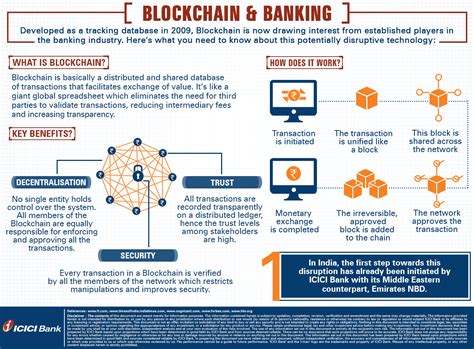
Blockchain is a decentralized, digital book that records transactions in a safe, transparent and unchanging way. It is based on the peer-to-peer computers, each with a copy of the entire book. This network allows you to create real -time updates without the need for intermediaries or physical copies.
The role of cryptocurrency in healthcare
Cryptocurrencies, such as Bitcoin, Ethereum and Litecoin, have gained significant attention in recent years due to their decentralized nature, ease of use and quick transaction times. However, cryptocurrencies can also be used for a wide range of applications outside of finances, including healthcare. In the context of healthcare, currencies based on blockchain, such as ERC-20 Ethereum tokens, are developed to facilitate secure, decentralized and transparent data sharing.
as cryptocurrency revolutionizes healthcare
Several key areas of healthcare are mature to disruption by cryptocurrencies:
- Electronic Health Documentation (EHR) : cryptocurrencies can be used to secure storage and sharing patient data, reducing the risk of data violation and improving the overall efficiency of EHR systems.
- Medical research : Blockchain based currencies can facilitate safe, decentralized sharing of research data, accelerating the discovery of new methods of treatment and therapy.
- Clinical studies : The use of cryptocurrencies in clinical trials is gaining popularity, enabling faster and safer payment transfers between researchers and patients.
4.
Benefits of blockchain technology in healthcare
The integration of blockchain technology with healthcare offers many benefits, including:
- Improved data security : Safe storage of confidential patient data is a serious problem in the healthcare industry.
- Increased transparency : Blockchain -based systems ensure a transparent and manipulation resistant recording of all treatment -related transactions.
- Increased involvement of patients : cryptocurrencies can be used to facilitate secure, decentralized payment transfers between patients and suppliers.
- Reduced administrative burden : improved electronic health documentation (EHR) and clinical research systems are just two examples of how blockchain technology reduces administrative costs.
Challenges and restrictions
Although the potential benefits of blockchain technology in healthcare are significant, several challenges and restrictions should be solved:
- Scalability : Blockchain networks are still encountering scalability problems that may limit their acceptance.
- Regulatory frames
: The regulatory landscape for cryptocurrencies is still evolving and unclear.
- Interoperability : Safe sharing of data between various healthcare providers and systems remains the main challenge.
Application
The future of blockchain in healthcare has a great promising, with potential applications, from safe storage of data to improved clinical trial processes. As the cryptocurrency increases, it is constantly growing, it is likely that we will see an increased party in various aspects of healthcare.

egetarmas administrator
 © Tüm Hakları Saklıdır.
Yazar hakkında